Coconut Milk for Plant-Based Products: A Netherlands Buyer's Guide to Fat Levels, Formats and MOQs
CBL Global Foods makes aseptic Tetra Pak coconut milk in Sri Lanka and Indonesia for Dutch plant-based brands, importers, retailers and food manufacturers, shipping to Rotterdam and other EU ports. This guide covers fat levels, certifications, formats, MOQs and EU import documents.
By the CBL Product Team
·
Published
·
Updated
·
5 min read
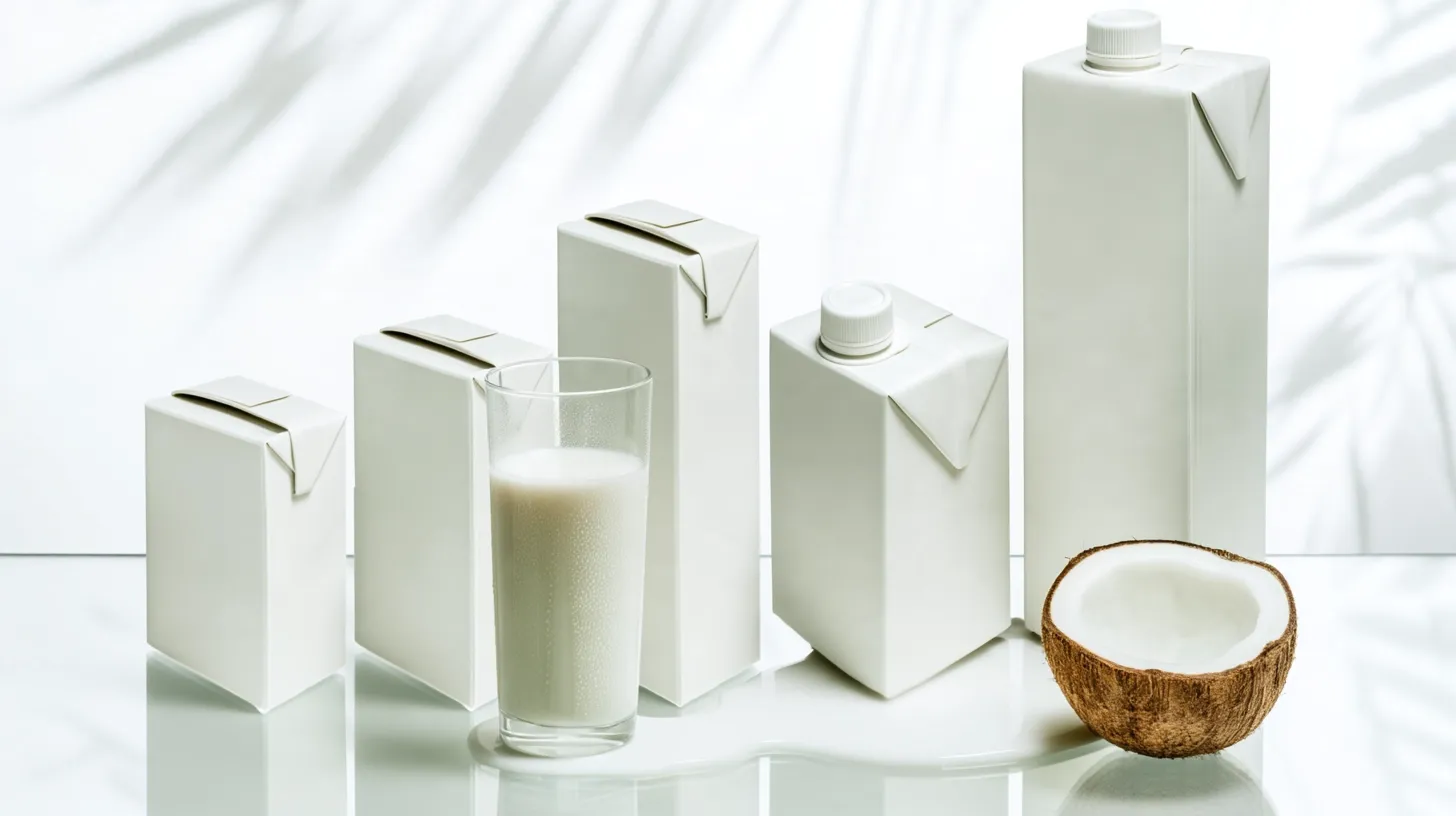
The Netherlands is one of Europe's plant-based centres, and Rotterdam is the gateway for much of the EU's coconut milk. Plant-based developers need a consistent base: our coconut milk comes in four fat bands, from 5% to 30% coconut cream, with a certificate of analysis on every batch. We pack it in six Tetra Pak sizes from 65 ml to 1 L, or supply it unbranded as a food ingredient. Choose conventional, organic, Fairtrade, Naturland or Demeter. Every organic shipment travels with a TRACES NT certificate of inspection, ready for clearance in Rotterdam and redistribution across the EU.
Key takeaways
- Four fat bands give plant-based developers a consistent base for drinks, yoghurts, ice cream and cooking creams.
- Ambient aseptic cartons can be stored in Dutch warehouses and redistributed across the EU without cold chain.
- Fairtrade, widely recognised by Dutch shoppers, is available as an organic grade.
- Organic shipments come with a TRACES NT certificate for clearance at Rotterdam.
Coconut milk fat bands: choosing the right one
Fat band | Fat content | Best for |
Light coconut milk | 5–10% | Dairy-free drinks, barista blends |
Standard coconut milk | 14–17% | Cooking creams, soups, ready meals |
Rich coconut milk | 20–22% | Dairy-free yoghurt, desserts |
Coconut cream | 25–30% | Vegan ice cream, whipped toppings |
- Light (5–10%): pourable with a mild coconut note; the most cost-efficient band for drinks, soups and blends.
- Standard (14–17%): the everyday band for curries, sauces and cooking SKUs.
- Rich (20–22%): a silkier texture and stronger coconut flavor for premium retail ranges.
- Coconut cream (25–30%): whips, sets and survives baking, for confectionery and manufacturing.
Every batch ships with a COA confirming its fat content.
Certifications: Demeter, Naturland, Fairtrade, organic and conventional
- Demeter: the strictest organic standard, requiring biodynamic farming; suits premium natural retail.
- Naturland: organic with added social standards, widely recognized in German, Swiss and EU retail.
- Fairtrade: fair prices for farmers plus a Fairtrade Premium for their communities; an auditable ethical claim.
- Organic: EU Organic, USDA Organic and JAS, the baseline for natural food retail.
- Conventional: for buyers who don't need a certified claim and want the best cost per liter.
Our facilities also hold BRCGS AA+, IFS, ISO 22000, ISO 14001, Halal and Kosher. See every document on our Certificates page.
Origins: Sri Lanka and Indonesia
Sri Lanka is a long-established coconut exporter with strong certified organic production and a clean, rounded flavor. Indonesia, the world's largest coconut producer, adds scale and cost efficiency for high-volume orders. Having both origins or having production facilities in both countries mean we can keep your supply running if one faces a poor harvest or shipping disruption (how we source).
How the Tetra Pak carton works
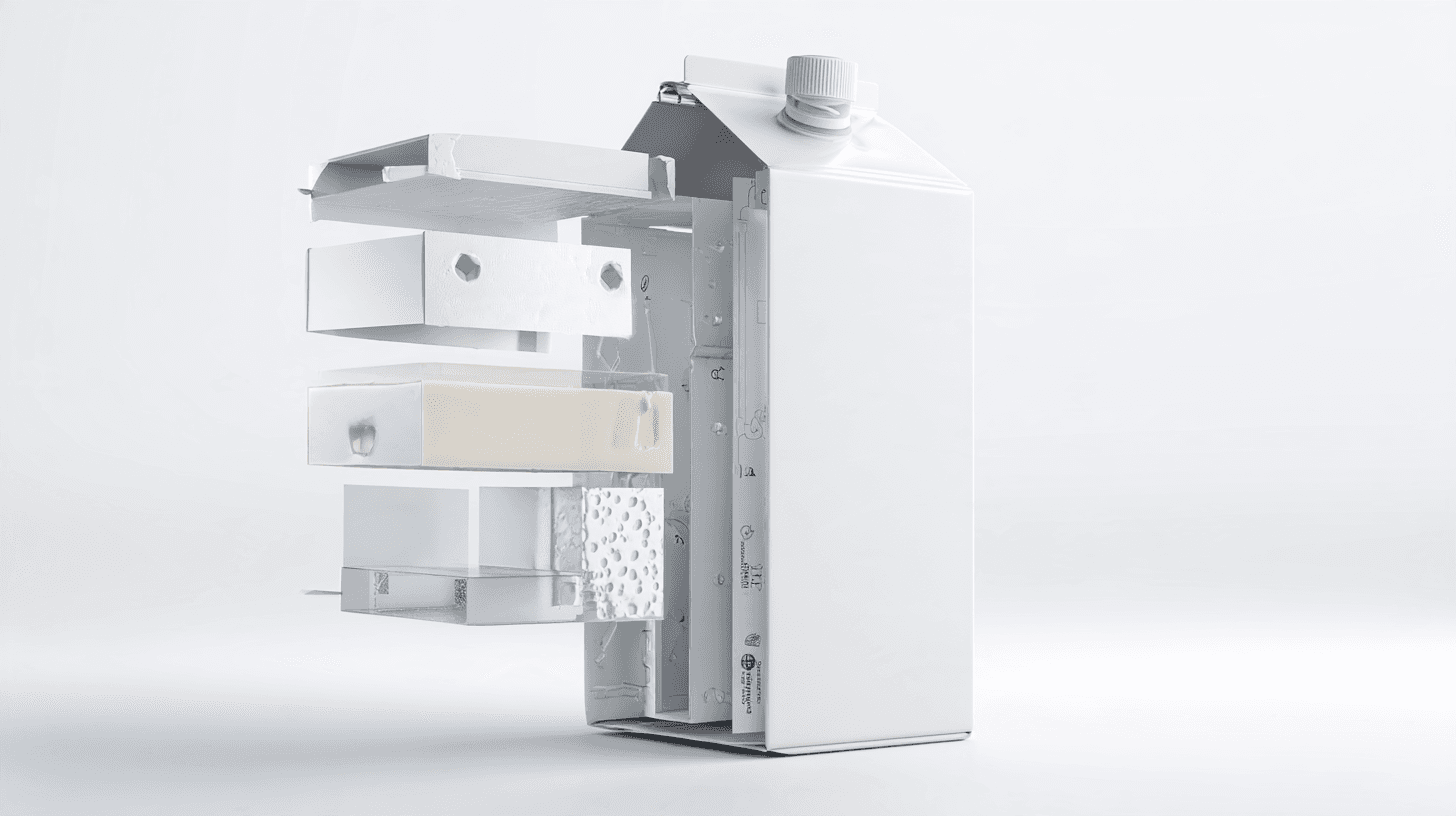
The coconut milk is heated above 135°C for two to four seconds (UHT), cooled and filled into a sterile carton in a sterile environment. This brief, high heat removes microbial risk while protecting the flavor of fresh coconut.
The six-layer carton combines paperboard for strength, polyethylene to seal out moisture and aluminum foil to block light and oxygen. The result keeps for up to 18 months at room temperature, with no preservatives and no refrigeration.
Tetra Pak formats and MOQs
Format | Products | Print MOQ (cartons) |
65 ml Classic Slim | Coconut milk | 1,060,000 |
200 ml | Coconut milk, coconut water | 335,000 |
250 ml | Coconut milk, coconut water | 257,000 |
330 ml | Coconut milk, coconut water | 177,000 |
500 ml, tethered cap | Coconut milk, coconut water | 114,000 |
1 L, tethered cap | Coconut milk, coconut water | 79,000 |
Print MOQs apply to private label cartons. Specifications for each size and fat band are on our Tetra Pak coconut milk and cream range page; coconut water on our Tetra Pak coconut water page; full range on our Tetra Pak coconut page.
Choosing the right carton size
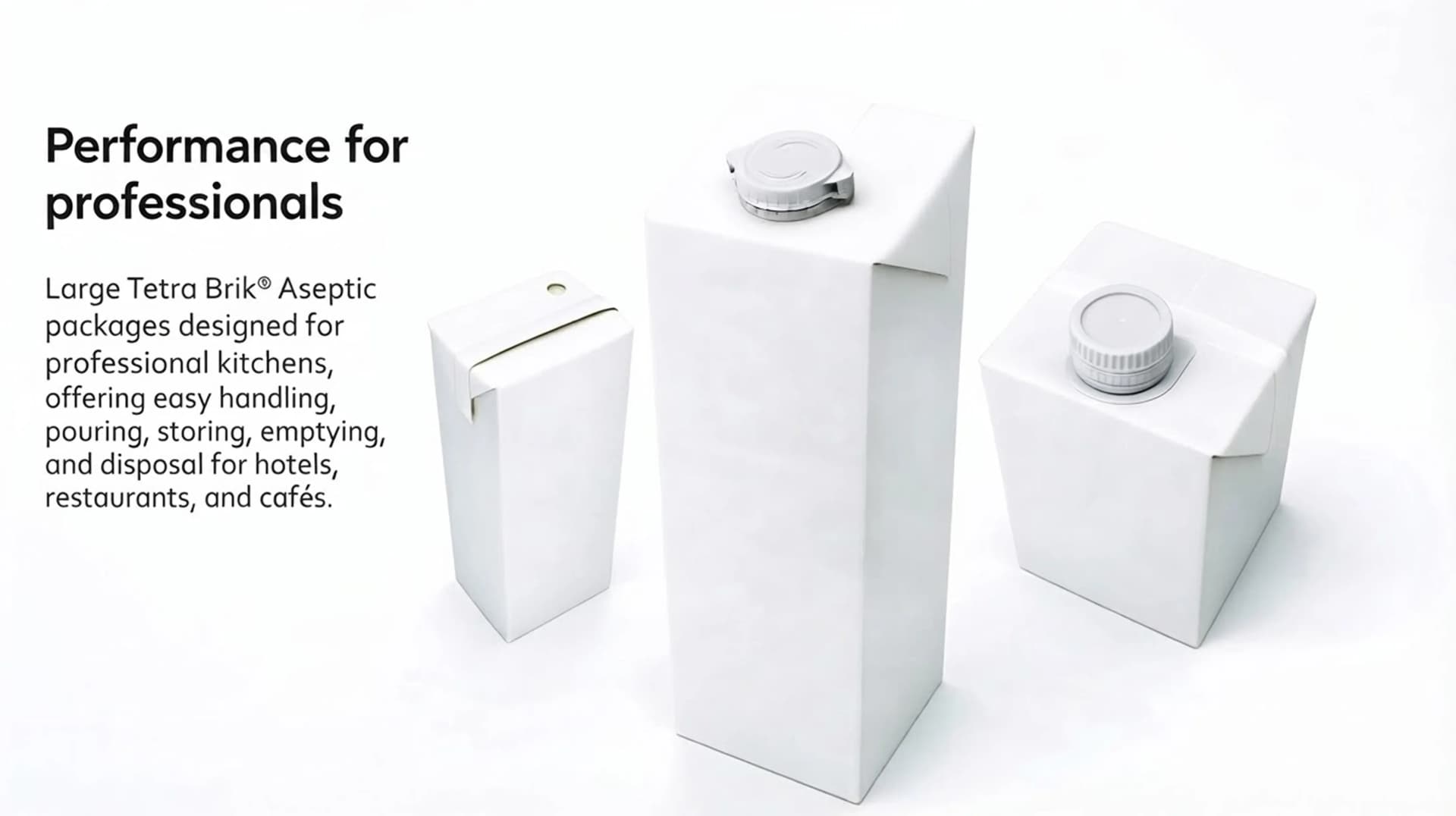
Pack size affects your margin as much as price per liter. Small cartons (65–250 ml) carry a higher packaging cost per liter but suit single-recipe portions, impulse shelves and premium pricing. Mid sizes (330–500 ml) are the main retail sizes for household cooking. The 1 L carton gives the lowest cost per liter and suits foodservice kitchens, family packs and cash-and-carry.
Freight matters too: cartons are rectangular, so they fill pallets and containers with less wasted space than cans or bottles. Ask us for pallet and container loading figures for each size before you set your landed cost.
Four ways we supply
- CecilBio, our own CBL retail brand: organic coconut milk and coconut water under the CBL Global Foods brand, ready for retailers and distributors to list. CecilBio
- Private label: your brand, fat band, carton size, certification and origin, from first brief to shelf-ready carton. Start a brief
- Foodservice and HORECA: 1 L cartons for restaurants, cafes and caterers. Foodservice supply
- Food ingredients: unbranded aseptic coconut milk for food and beverage manufacturers, available in larger formats. Industrial supply
Importing coconut milk into the Netherlands: documents we provide
Every organic shipment travels with an electronic certificate of inspection (COI) in TRACES NT, which must be endorsed before release at Rotterdam. Conventional shipments come with a certificate of analysis, certificate of origin and commercial documents for your customs agent.
For plant-based brands, we also share the product specification, allergen statement and batch analyses your R&D and quality teams need to approve coconut milk as an ingredient. For private label, we check Dutch or multilingual EU artwork against the carton template before printing.
What to include in your inquiry
A complete brief lets our export team quote accurately the first time. Send us:
- Product and fat band: coconut milk or coconut cream, and the fat range you need.
- Certification: conventional, organic, Fairtrade, Naturland or Demeter.
- Format and volume: carton size, estimated annual volume and first-order quantity.
- Brand: CecilBio, your own private label artwork, or unbranded for manufacturing.
- Market and labeling: destination country, label languages and any retailer specifications.
- Delivery terms: preferred Incoterm (FOB, CIF or other) and destination port.
From sample to first order
- Inquiry: you send the brief above; we reply within two business days.
- Samples and specifications: we send samples with the product specification and a certificate of analysis.
- Quotation: price per carton, MOQ, lead time and Incoterm, confirmed in writing.
- Artwork and approval: for private label, we check your artwork against the carton template and your market's labeling rules before printing.
- Production and shipment: we produce, test each batch and ship with the export, origin and certification documents your importer needs.
After the first order, we agree a forecast with you so we can plan production and keep supply steady.
First Order or Any Enquiry?
Send us your target fat band, format and annual volume. Our export team replies within two business days with a spec sheet and price.
Frequently asked questions
Yes. Coconut milk gives dairy-free yoghurts, drinks, ice cream and cooking creams their body and creamy mouthfeel. Light coconut milk (5–10%) suits drinks and barista blends, rich (20–22%) suits yoghurt and desserts, and coconut cream (25–30%) suits ice cream and whipped toppings.
Coconut is not one of the 14 allergens listed in the EU Food Information Regulation, so it doesn't need allergen emphasis on EU labels. We still provide a full allergen statement for every product, so your quality team can confirm there's no cross-contact risk.
Yes. Unopened cartons keep for up to 18 months at room temperature, with no preservatives. That lets Dutch importers hold stock in ambient warehouses and redistribute it across the EU.
Yes, we ship to Rotterdam and other major EU ports. Each organic shipment has an electronic certificate of inspection (COI) in TRACES NT, which the Dutch authorities endorse before release. We start the COI before the vessel arrives, so your container isn't held.
The CBL Product Team
Product development & export · Minuwangoda, Sri Lanka
Written by the team that standardises fat bands on our BRC AA++ lines and answers buyer spec questions daily. Fact-checked against current production specifications, July 2026.