Canned, Tetra Pak, Bag-in-Box or Drum: Choosing a Coconut Milk Format
Comparing canned vs aseptic coconut milk for your kitchen or production line? This guide from a Sri Lankan coconut milk manufacturer compares five coconut milk packaging formats (cans, Tetra Pak cartons, bag-in-box, drums and IBC totes) on shelf life, flavor, handling, cost per liter and US import rules.
By the CBL Product Team
·
Published
·
Updated
·
8 min read
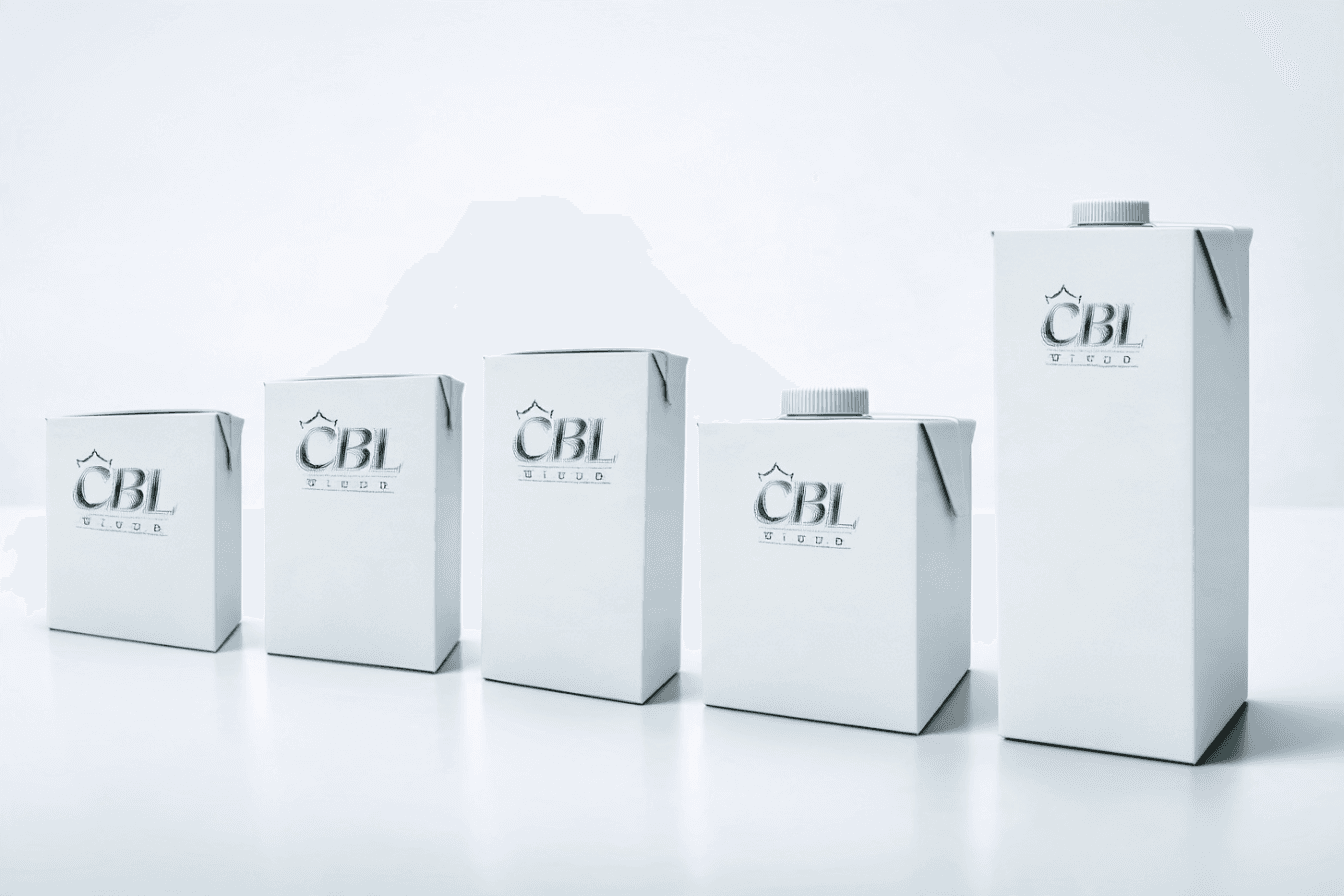
The right coconut milk format depends on how much you use and how you use it. Cans (200 ml to 3 L) suit retail shelves and kitchens that open a few units at a time. Tetra Pak cartons (65 ml to 1 L) suit retail and cafés that want a lighter pack and a fresher flavor. Bag-in-box (3 to 20 L) suits busy kitchens and small-batch production, and 200 L drums and 1,000 L IBC totes suit factories that pump coconut milk straight into a process. The core difference between canned and aseptic coconut milk is when the product is sterilized: canned milk is heat-treated after it is sealed in the can, while aseptic milk is UHT-treated first, then filled into a sterile pack. CBL makes every format from the same Sri Lankan coconuts: our canned coconut milk and cream, UHT coconut milk and cream in Tetra Pak cartons, and aseptic coconut milk for food manufacturing.
Key takeaways
- Canned and aseptic coconut milk are both shelf-stable, with no cold chain before opening; the difference is the heat process and the pack.
- UHT coconut milk is heated for seconds rather than minutes, so it keeps a whiter color and a cleaner coconut flavor than canned. •
- Shelf life: 18 months for cans and Tetra Pak cartons, 24 months for aseptic bulk milk and cream in bag-in-box, drums and IBC totes.
- Cost per liter falls as the pack grows. A 1,000 L IBC carries far less packaging per liter than 2,500 cans of 400 ml.
- Choose by use rate after opening: buy a pack size your kitchen or line can finish within the time the spec sheet allows once opened. •
- For the US, coconut milk is a low-acid food, so canned and aseptic suppliers both need FDA canning registration and filed processes.
The coconut milk formats at a glance
CBL offers coconut milk and cream in five coconut milk packaging formats. Start with this table, then read the section for the formats on your shortlist.
Format | Pack sizes | How it is sterilized | Shelf life, unopened | Best for |
Cans | 200 ml, 400 ml, 3 L | Heat-treated after sealing in the can | 18 months ambient | Retail shelves, ethnic grocery, restaurant kitchens |
Tetra Pak cartons | 65 ml, 200 ml, 250 ml, 330 ml, 500 ml, 1 L | UHT, then filled into a sterile carton | Up to 18 months ambient | Retail, cafés, foodservice (1 L) |
Bag-in-box | 3 L, 5 L, 20 L | UHT, then filled into a sterile bag | 24 months ambient | Busy kitchens, QSR, catering, light manufacturing |
Drums | 20 L HDPE, 200 L conical drum | UHT, then filled into a sterile liner | 24 months ambient | Food manufacturing, blending, co-packing |
IBC totes | 1,000 L | UHT, then filled into a sterile tote | 24 months ambient | Large-scale manufacturing and OEM production |
Shelf life for bag-in-box, drums and IBC totes is for bulk aseptic coconut milk and cream. All formats are stored at ambient temperature before opening, with no preservatives.
Not sure which format fits?
Tell our export team how much coconut milk you use each week and how it goes into your dish or line. We’ll recommend the right format and fat grade, often a mix of two, and reply within 24 hours.
Canned vs aseptic coconut milk: how each is made
Both routes start the same way: mature coconuts are grated, pressed and the milk is standardized to a fat grade. The difference is the order of heating and packing, and it shapes everything that follows.
Canned coconut milk is filled into a can, sealed, then heat-processed in the sealed can until the contents are commercially sterile. Because heat has to travel to the center of the can, the milk spends minutes at high temperature, and larger cans need longer processing.
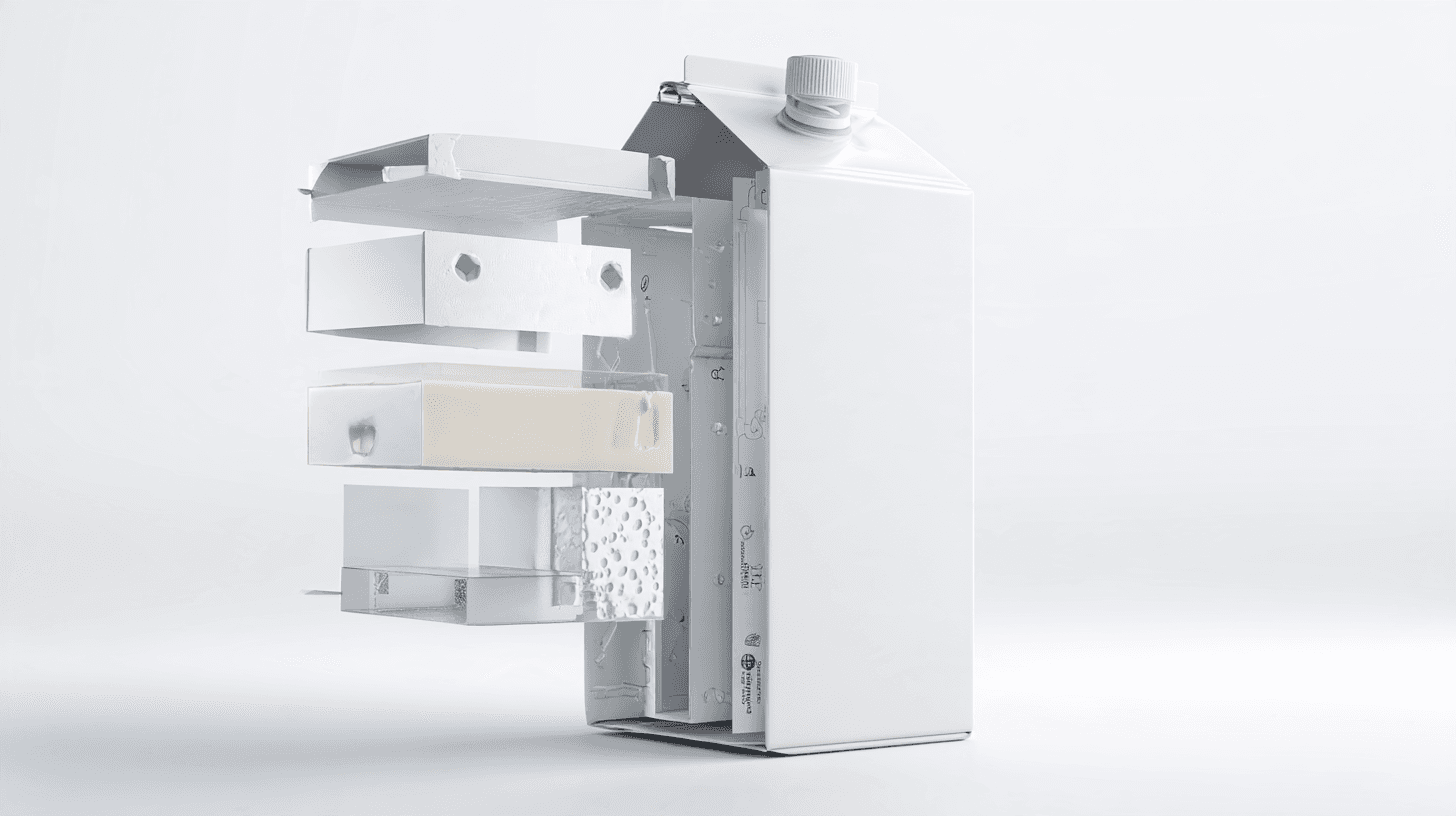
Aseptic coconut milk is heated first, using UHT (ultra-high temperature) treatment above 135 °C (275 °F) for two to four seconds. It is then cooled and filled into a pre-sterilized pack in a sterile environment, whether that pack is a Tetra Pak carton, a bag-in-box, a drum liner or an IBC tote. We explain the carton route in more detail in our aseptic Tetra Pak coconut milk guide.
Canned | Aseptic (UHT) | |
Heat step | After sealing, inside the can | Before filling, in a continuous flow |
Time at high heat | Minutes | Two to four seconds |
Pack | Steel can with BPA-NI lining | Carton, sterile bag, drum liner or IBC tote |
Pack sizes from CBL | 200 ml to 3 L | 65 ml to 1,000 L |
Opening | Can opener or ring pull | Cap, tear, tap or valve |
Shelf life, unopened | 18 months | 18 months (cartons), 24 months (bulk) |
UHT vs canned coconut milk: flavor, color and texture
The heat process you can taste is the main reason buyers compare UHT vs canned coconut milk. Longer heating in the can gives canned coconut milk a deeper, slightly cooked flavor and an ivory color. The short UHT step keeps aseptic coconut milk whiter and closer to fresh-pressed coconut in taste.
Neither is better in every use. Many chefs prefer canned milk in long-simmered curries, where the richer note suits the dish. Dessert, beverage and dairy-alternative makers often prefer UHT milk, because a clean flavor and white color matter in ice cream, barista drinks and yogurt alternatives.
You don't have to choose one profile for every use. Many buyers take the richer note of the CBL canned range for curries and soups, and the cleaner, whiter base of Tetra Pak coconut milk or bulk aseptic milk for desserts and drinks.
Texture differs too. Coconut fat rises and sets as cream at cool temperatures, especially in milk made without stabilizers. In a can, you stir it back in. In aseptic bulk packs, the milk is homogenized and runs through pumps and valves, so ask your supplier for the viscosity and total solids of the grade you will pump.
Cans: retail shelves and professional kitchens
Cans are the format US shoppers and chefs know best. They stack on any shelf, need no special handling and survive rough distribution. As a canned coconut milk supplier, CBL fills three sizes:
- 200 ml: single recipes, small households and multipacks.
- 400 ml (13.5 fl oz): the standard US retail size for grocery and private label.
- 3 L: foodservice and professional kitchens, close in size to a US #10 can.
CBL cans use a BPA-NI lining (bisphenol A not intentionally added), which many US retailers now ask for. Grades run from light to full fat and cream, with or without stabilizers.
The limits of cans show up at volume. A kitchen using 20 L a day opens about seven 3 L cans, and a factory using 1,000 L opens 2,500 cans of 400 ml. That means labor, scraps of milk left in each can and a lot of metal waste, which is where bag-in-box and bulk formats take over.
Cartons: a lighter, resealable pack for retail and cafés
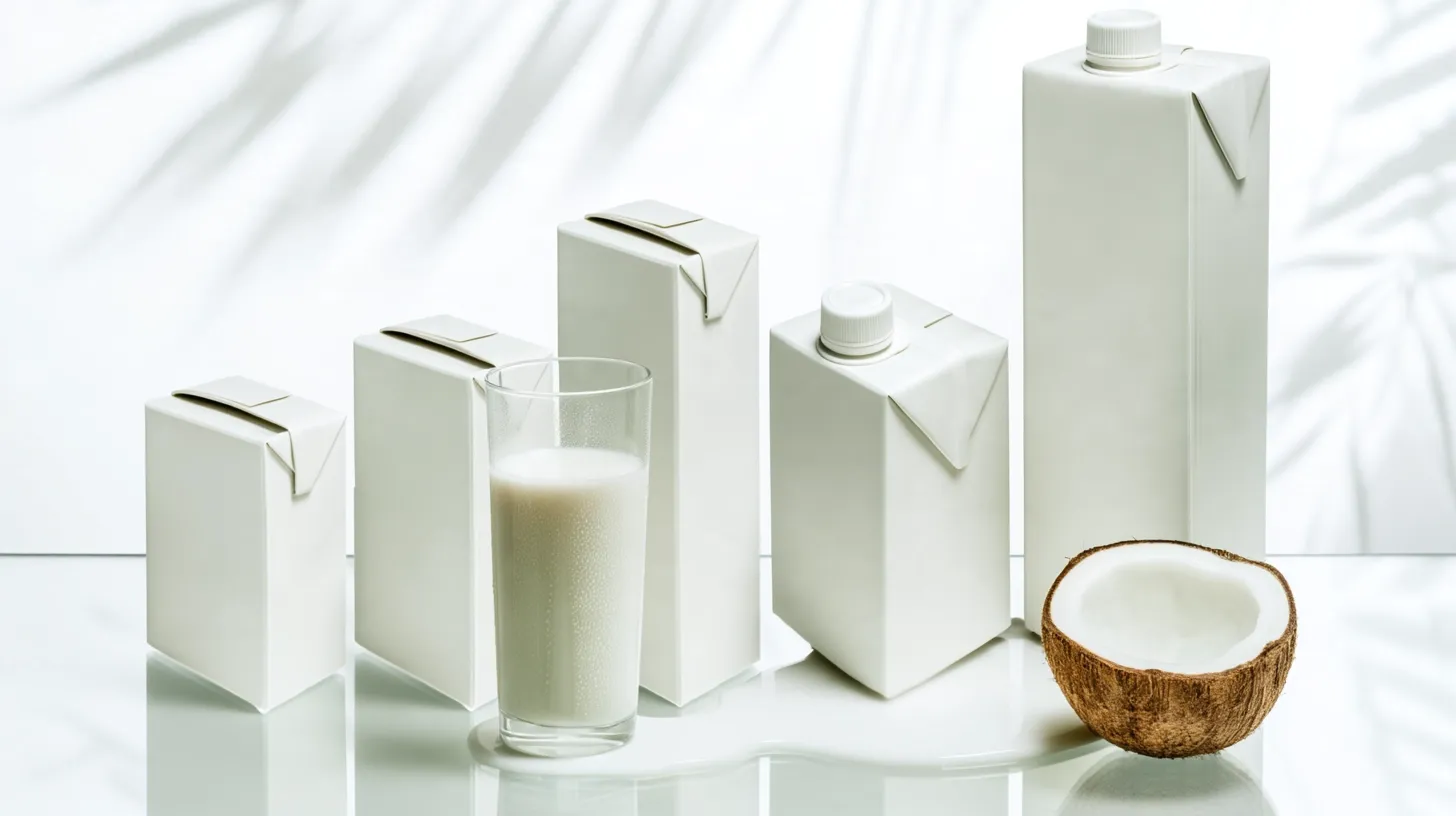
Cartons hold UHT-treated coconut milk in a rectangular pack that is lighter than a can, opens with a cap or tear strip, and fits more product into each case and container. As a UHT coconut milk supplier, CBL fills milk and cream in six carton sizes:
Carton | Typical use |
65 ml Tetra Classic Aseptic Slim | Single-use cooking portions, sampling |
200 ml Tetra Brik | Single recipes, small households |
250 ml Tetra Brik | Retail cooking milk and cream |
330 ml Tetra Brik | Retail cooking milk, drinks |
500 ml Tetra Square, tethered cap | Household cooking, resealable |
1 L Tetra Square, tethered cap | Cafés, foodservice, plant-based drinks |
The tethered cap matters for cafés and kitchens that use a carton across a shift: it reseals, so the rest of the carton stays clean in the fridge. Cartons also suit brands moving away from metal: the milk never touches the can wall, and the pack weighs less per liter.
Private label cartons carry a print MOQ per design. Our aseptic coconut milk buyer's guide sets out MOQs, fat levels and lead times carton by carton. If your volumes are lower, start with cans or an unbranded foodservice pack.
Bag-in-box: foodservice and small-batch production
Bag-in-box puts aseptic coconut milk in a sterile inner bag inside a corrugated outer box, usually with a dispensing tap. It is the step up from cans for any kitchen that uses coconut milk every day.
Bag-in-box | Construction | Best for |
3 L | Aseptic bag, corrugated outer, dispenser tap | Foodservice, QSR, catering |
5 L | Aseptic bag, corrugated outer, pallet stackable | Hotels, restaurants, catering (HORECA) |
20 L | Aseptic bag or HDPE drum, tamper-evident seal | Light manufacturing, blending |
The tap is the main advantage. You dispense what you need and the bag collapses, so air stays out and there is no can to scrape. Empty boxes flatten for recycling, and a 5 L box replaces about 12 cans of 400 ml. See our foodservice coconut products for case and pallet options.
Using 20 liters or more a week?
Switch from cans to 3 L or 5 L bag-in-box and cut opening time, leftover milk and metal waste. Get foodservice pack options, case and pallet configurations, and mixed-pallet pricing for your kitchens.
Drums and IBC totes: pumped straight into the production line
At production scale, coconut milk is an ingredient that is pumped, metered and blended, not poured. Drums and IBC totes deliver it in one sterile unit that connects to your line.
Format | Construction | Best for |
200 L conical drum | Steel or HDPE, aseptic inner liner, bung-sealed | Industrial manufacturing, co-packing |
1,000 L IBC tote | Food-grade HDPE vessel, galvanized steel cage, butterfly valve outlet, stackable two high | Large-scale OEM and continuous production |
These formats suit ready meals, sauces, soups, ice cream, plant-based yogurt and dairy alternatives. A single IBC replaces 2,500 cans of 400 ml, cuts the time spent opening packs, and keeps the fat grade consistent through a whole production run. Industrial grades and certificates of analysis are covered on our page for ingredient supply for manufacturers.
Aseptic bulk coconut milk ships from one 20 ft container (about 20 tonnes), and samples ship within five working days.
Which format fits your operation
Match the format to how fast you use coconut milk once a pack is open and how it reaches the dish or the line. Most buyers end up with two formats: one for daily volume and one for small or special uses.
Your operation | Typical weekly use | Main format | Also consider |
Private label grocery brand | Sold, not used | 400 ml cans or 1 L cartons | 200 ml cans or cartons for multipacks |
Restaurant or hotel kitchen | 20–100 L | 3 L cans or 5 L bag-in-box | 1 L cartons for the pastry section |
QSR or café chain | 50–500 L per site cluster | 3 L or 5 L bag-in-box | 1 L cartons, rich grade for drinks |
Small-batch food maker | 100–1,000 L | 20 L bag-in-box or drum | 5 L bag-in-box for trials |
Food manufacturer | 1,000 L and up | 1,000 L IBC totes | 200 L drums for smaller lines |
Co-packer | Varies by client | 200 L drums | IBC totes for long runs |
The weekly volumes are a guide, not a rule. A kitchen with little storage may stay with 3 L cans at higher volume, and a manufacturer without IBC handling may prefer drums.
Cost per liter, storage and waste
Packaging is a larger share of cost in small packs. A 400 ml can and a 1,000 L IBC hold the same milk, but the can carries a body, lid, label and case for every 400 ml. Expect cost per liter to fall in this order: small cans and cartons, 1 L cartons and 3 L cans, bag-in-box, drums, then IBC totes. Ask for quotes in price per liter at your fat grade, not per pack, so you compare like for like.
Freight and storage follow the same pattern. Cans are heavier than cartons for the same volume, and round cans leave gaps in a case. Bag-in-box and IBC totes fill pallet space efficiently, and IBC totes stack two high.
After opening, the clock starts. Refrigerate opened canned coconut milk in a clean container and use it within four to five days. Refrigerate opened cartons at 4 °C (39 °F) or below and use them within four days. For bag-in-box, drums and IBC totes, follow the after-opening time on the spec sheet for your grade and dispense without letting air into the pack.
Waste is mostly packaging. Steel cans are widely recycled in the US, corrugated outers flatten for recycling, and one IBC tote replaces thousands of single-use packs.
Fat grades and stabilizers by format
Fat grade decides richness, cost and how the milk behaves in your recipe. Grades are named differently by format, so compare by fat percentage and total solids, not by the word on the label.
Format | Grades available | Stabilizer |
Cans | Light, full fat and cream, 5–30% fat | With or without approved stabilizers |
Tetra Pak cartons | Coconut milk about 5–22% fat, coconut cream about 22–30% fat | Standard range made without additives; homogenized to reduce separation |
Bag-in-box, drums, IBC | Light 12%, Standard 17%, Rich 20%, Cream 24%; total solids 18–30% | Optional: guar gum or carrageenan |
Full grade specifications sit on each product page: canned coconut milk and cream grades, carton milk and cream grades, and industrial grades with total solids and pH.
For bulk aseptic supply, CBL can match a custom fat specification on full-container orders. Every batch ships with a certificate of analysis that confirms fat content. If your label must be additive-free, ask for the unstabilized grade and allow for some cream separation.
US import and labeling by format
Coconut milk is a low-acid food in every format, so canned and aseptic suppliers both need FDA Food Canning Establishment (FCE) registration and a filed process (SID) for each product and pack.
The format changes the label more than the import file. Retail cans and cartons carry a full Nutrition Facts panel and net contents in fl oz and metric units. Drums and IBC totes shipped in bulk to manufacturers, and not sold to consumers in that form, generally do not need Nutrition Facts.
For the importer's side, including FSVP, FDA prior notice and USDA organic import certificates, see our aseptic coconut milk buyer's guide.
Check final labels with your US regulatory team before print. CBL supplies the food safety, audit and organic documents your FSVP file needs.
Why buyers choose CBL Global Foods
CBL Global Foods is a leading retail brand in its own right and a trusted private label, co-packing (OEM) and ingredient partner to leading global retail brands, foodservice groups and food manufacturers. Because we make every coconut milk format in-house, you can switch or combine formats without changing supplier, spec or certifications.
What a buyer needs | What CBL provides |
One spec across formats | Canned, Tetra Pak and aseptic bulk coconut milk from the same Sri Lankan coconuts, made in our own facilities |
The right pack for each use | Cans from 200 ml to 3 L, cartons from 65 ml to 1 L, bag-in-box from 3 to 20 L, 200 L drums and 1,000 L IBC totes |
Consistent fat grade | Light, standard, rich and cream grades, custom fat specifications on full-container bulk orders, a certificate of analysis with every batch |
Clean-label options | BPA-NI cans, cartons made without additives, stabilizer optional on bulk grades |
Retail-grade food safety | BRCGS AA++, FSSC 22000, ISO 22000 and HACCP |
Certifications that win listings | USDA Organic, Demeter, Naturland, Fairtrade, Halal and Kosher, among others |
Smooth US entry | FDA-registered facility, documents for your FSVP file and USDA organic import certificates for organic shipments |
Fast samples | Bulk samples dispatched within five working days |
See every certificate on our certifications page, and read how we source coconuts in Sri Lanka and Indonesia.
Ways to work with CBL
Food manufacturers buy bulk aseptic coconut milk and cream in bag-in-box, 200 L drums and 1,000 L IBC totes, made to their fat and solids specification. Restaurants, hotels and QSR chains buy catering packs such as 3 L cans, 1 L cartons and bag-in-box, from a single case to mixed pallets. Retail brands choose between 400 ml and 3 L tins and coconut milk in Tetra Pak cartons, both available as private label coconut milk with artwork and US label review included.
What to include in your enquiry
A complete enquiry lets our export team recommend a format and quote accurately the first time. Send us:
- Use: retail resale, kitchen use or an ingredient for manufacturing, and the recipes or products it goes into
- Product: coconut milk or cream, target fat percentage and total solids
- Format: pack size, or tell us how you dispense and store it and we will suggest one
- Additives: with or without stabilizer, and any clean-label requirements
- Certification: conventional, organic, Fairtrade, Naturland or Demeter
- Volume: monthly or annual use, and first order quantity
- Delivery: preferred Incoterm (FOB, CIF or other) and US destination port
Frequently asked questions
Canned coconut milk is sealed in the can and then heat-treated inside it. Aseptic coconut milk is UHT-treated first, then filled into a sterile carton, bag, drum or tote. Both are shelf-stable before opening; aseptic milk usually keeps a whiter color and fresher flavor.
It depends on the use. UHT coconut milk suits desserts, drinks and dairy alternatives, where a clean flavor and white color matter. Canned coconut milk suits retail shelves and long-cooked dishes, and many chefs like its richer taste.
Aseptic bulk coconut milk and cream in bag-in-box, drums and IBC totes keep 24 months at ambient temperature. Cans and Tetra Pak cartons keep up to 18 months.
The 3 L can, close in size to a US #10 can, is the standard kitchen size. Kitchens using coconut milk every day often move to 3 L or 5 L bag-in-box, which dispenses through a tap.
Most manufacturers use 200 L drums or 1,000 L IBC totes of aseptic coconut milk, pumped straight into the process. Smaller producers start with 20 L bag-in-box or drums.
Refrigerate it and use opened canned milk within four to five days and opened cartons within four days. For bulk packs, follow the after-opening time on the spec sheet for your grade.
Grades are named differently by format, so compare by fat percentage and total solids. Bulk aseptic grades are 12%, 17%, 20% and 24% fat, and CBL can match a custom fat specification on full-container orders.
CBL cans use a BPA-NI lining, meaning bisphenol A is not intentionally added.
Aseptic bulk coconut milk ships from one 20 ft container, about 20 tonnes. Private label cartons have a print MOQ per design, from 79,000 cartons for 1 L. Foodservice packs can start from a single case or mixed pallets. Ask our team for canned MOQs by size and label.
Coconut milk is a low-acid food in every format, so the processor needs FDA Food Canning Establishment registration and a filed process for each product. Your importer of record also runs an FSVP and files FDA prior notice for each shipment; our aseptic coconut milk buyer's guide covers each step.
The CBL Product Team
Product development & export · Minuwangoda, Sri Lanka
Written by the team that standardises fat bands on our BRC AA++ lines and answers buyer spec questions daily. Fact-checked against current production specifications, July 2026.