Coconut Milk in Cartons, Cans or Glass? A Retailer's Guide for Brazil
Deciding how your coconut milk range should be packed for Brazil? This guide from a Sri Lankan coconut milk manufacturer shows Brazilian retail buyers how cartons compare with the glass bottles and cans shoppers already know, which shopper each serves, and what front-of-pack warning labels mean for the design.
By the CBL Product Team
·
Published
·
Updated
·
8 min read
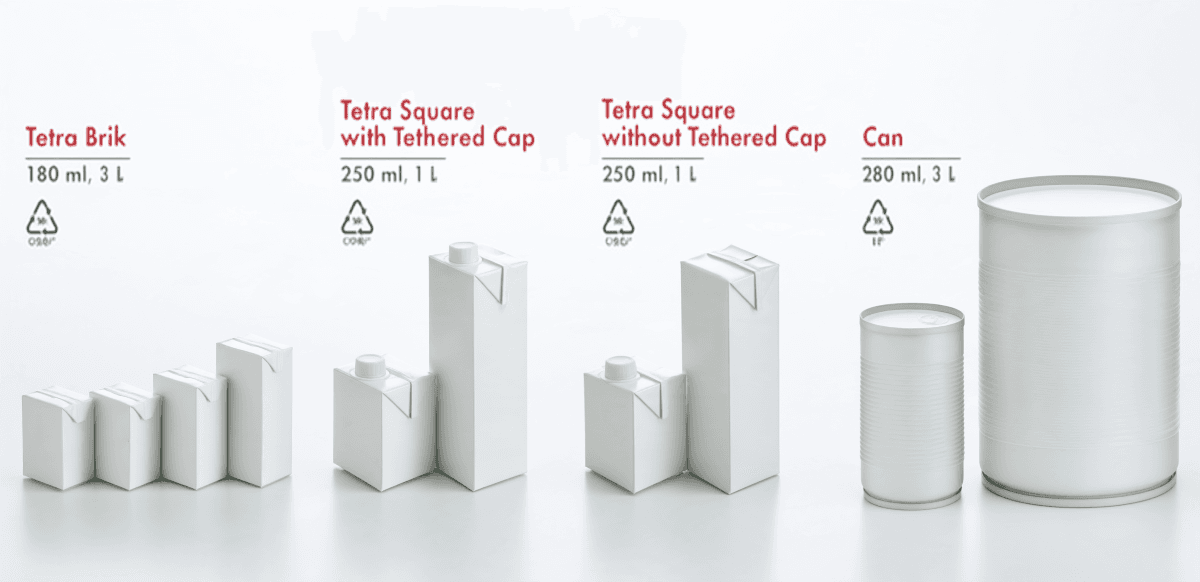
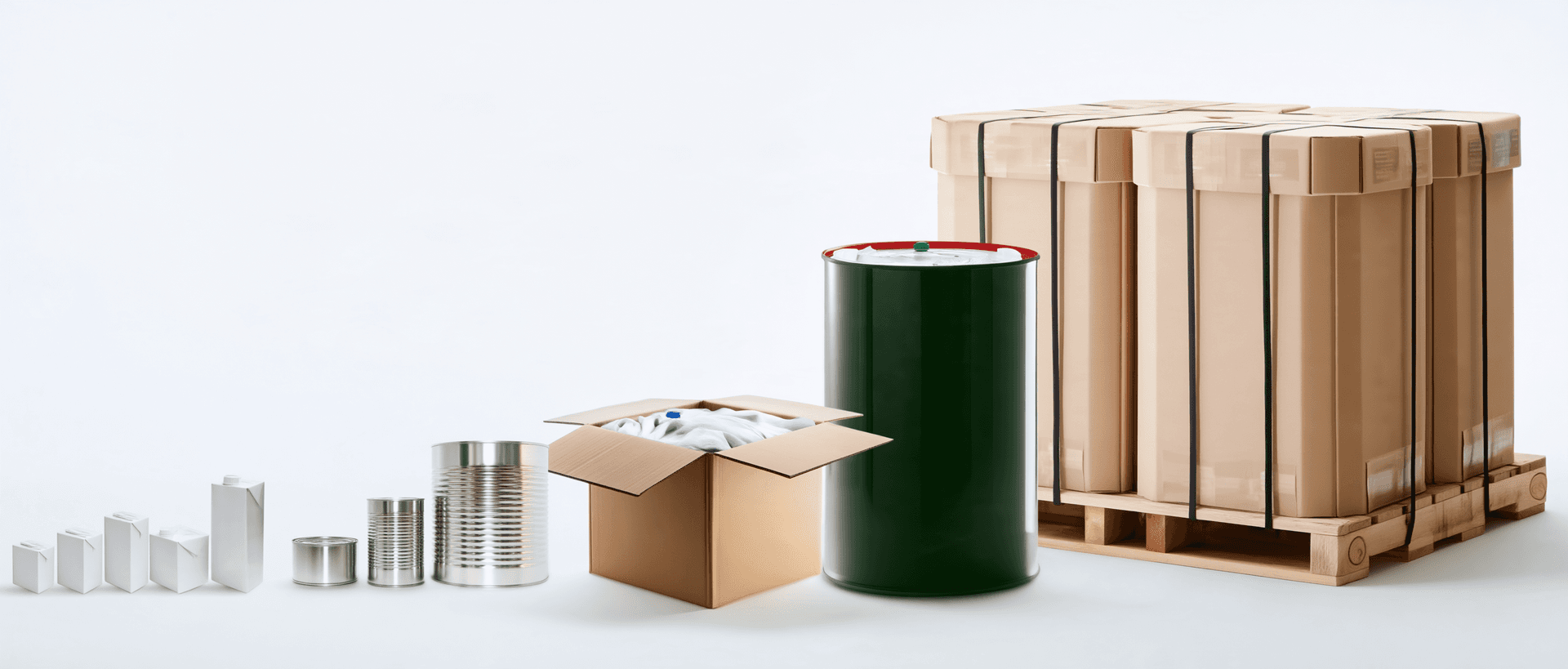
Brazil is a different shelf. Glass bottles are the traditional pack for cooking coconut milk there, and cartons lead in ready-to-drink coconut products. Online grocery listings show 200 ml coconut milk in Tetra Pak cartons, glass and PET side by side. So in Brazil, the carton competes with glass first and cans second. CBL fills UHT coconut milk in Tetra Pak cartons from 65 ml to 1 L and canned coconut milk and cream in 200 ml, 400 ml and 3 L, from 5% to 30% fat.
To choose a pack for Brazil, decide where it sits, who buys it, how it compares with glass on price and handling, and how the front panel carries the warning label. This guide comes from the CBL Product Team, which makes coconut milk in Sri Lanka and Indonesia for retailers in more than 40 countries.
Key takeaways
- In Brazil the 200 ml glass bottle is the reference pack for cooking coconut milk.
- A 200 ml carton matches that size, weighs less and does not break.
- Cooking coconut milk is high in saturated fat, so most packs need ANVISA's magnifying-glass warning.
- In atacarejo, 1 L cartons and 3 L cans win on price per litre.
- Position cartons against glass on price and convenience, not against cans.
The Brazilian market for coconut milk cartons, cans and glass
Brazilian shoppers have bought cooking coconut milk in small glass bottles for years. Domestic brands are now moving to PET and cartons to cut weight, cost and breakage. That shift is the opening for cartons.
What that means for a Brazilian range:
- Compete with glass first. A 200 ml carton matches the familiar bottle size at a lower weight.
- Plan the warning label. Brazil requires a magnifying-glass label for foods high in saturated fat, added sugar or sodium, and cooking coconut milk is high in saturated fat.
- Atacarejo buys volume. Cash-and-carry hybrids favour 1 L cartons and 3 L cans.
- Portuguese labels. All mandatory information must be in Portuguese.
Carton, can or glass: what changes on the shelf
What retailers compare | Carton (Tetra Pak) | Can | Glass bottle |
Typical retail size | 200 ml, 1 L | 200 ml, 400 ml | 200 ml, 500 ml |
Weight | Light | Medium | Heavy |
Breakage risk | None | Dents | Breaks |
Reclose | Cap on 500 ml and 1 L | No | Yes |
Light protection | Full | Full | Partial, depends on glass |
Shopper familiarity in Brazil | Growing | Lower | Highest |
For how cartons and cans are processed, see our coconut milk format guide.
Match each pack to an aisle and a shopper
Shopper | What they need | Best pack | Where to place it |
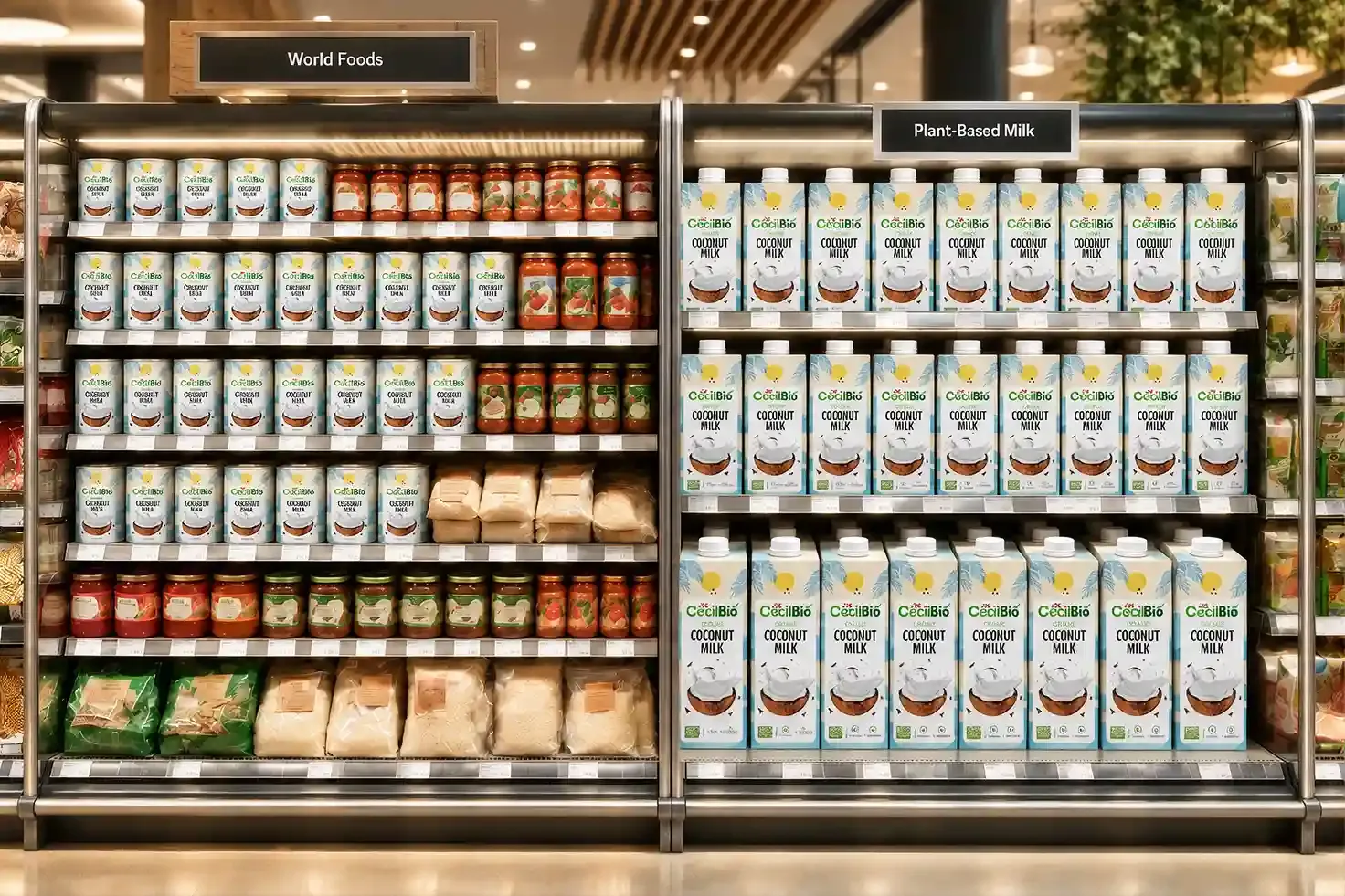
Home cook making moqueca or desserts | Rich coconut milk for one recipe | 200 ml carton, against glass | Baking and desserts aisle |
Family buying for the week | Several recipes from one pack | 1 L carton with cap | Same aisle, lower shelf |
Atacarejo shopper | Lowest price per litre | 1 L carton or 3 L can | Bulk aisle |
Restaurant | Volume at a low unit cost | 3 L can | Foodservice |
Plant-based drinker | Light coconut drink | 1 L carton | Plant-based drinks |
Shelf space, breakage and store labour
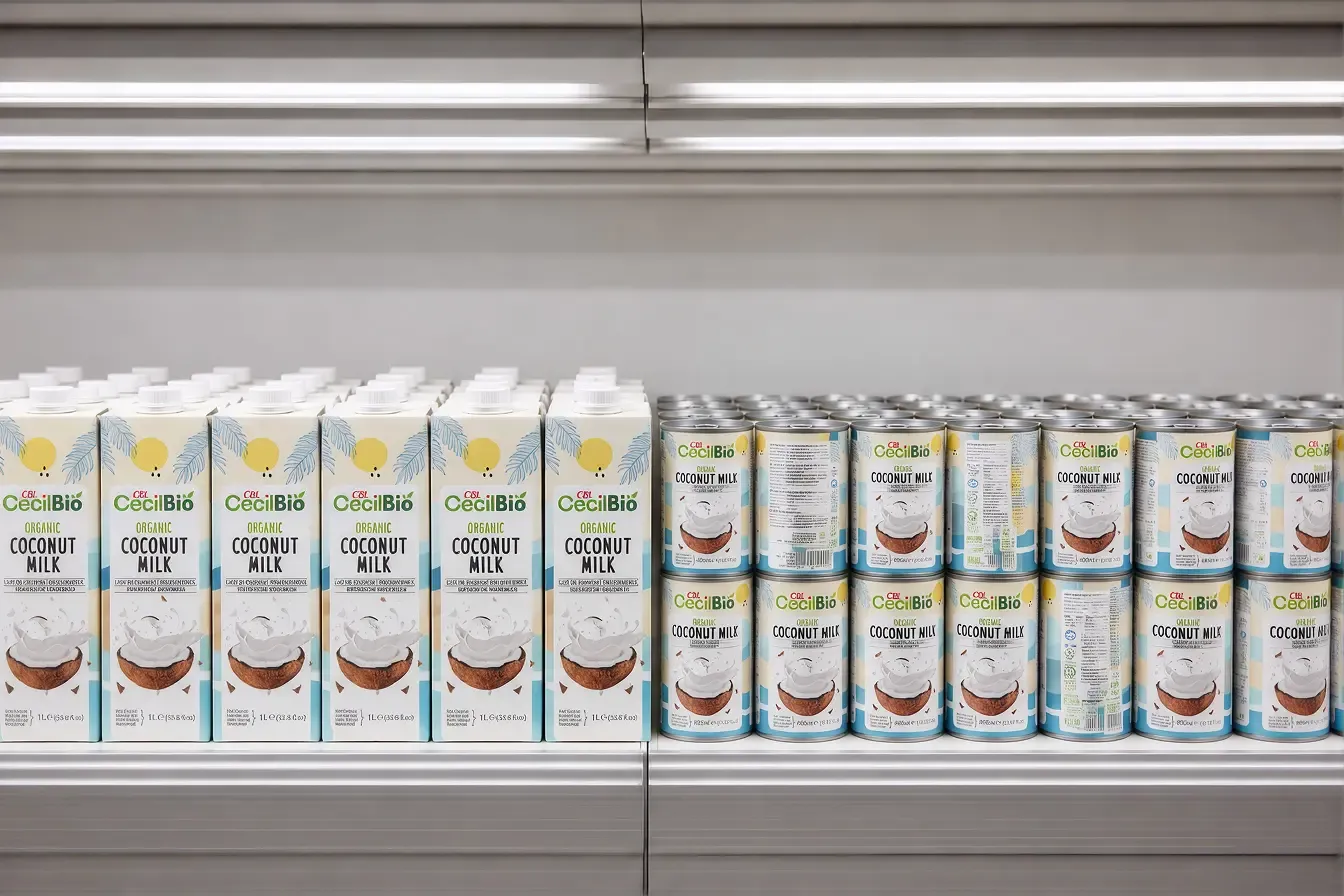
Tetra Pak's published figures for its rectangular food cartons show 10–20% more product per pallet than cans, and shelf-stacking up to 30–50% faster, with even bigger gains against glass. Those figures come from a different carton, so use them as direction.
- No breakage. A dropped carton stays sellable; a dropped bottle is a loss and a clean-up.
- Lighter freight. Cartons cut weight from port to store.
- Always facing forward. The front panel, with the warning label, always faces the shopper.
Build a price ladder with pack sizes
Shelf role | Carton | Can |
Entry price, single recipe | 200 ml | 200 ml |
Family pack | 1 L with cap | 400 ml |
Atacarejo and restaurants | 1 L | 3 L |
Price the 200 ml carton below the 200 ml glass bottle; that is the shopper's comparison. Planning a store brand? See our guide to launching own label coconut milk in Tetra Pak.
Plan a coconut milk range for Brazil
- Core. A 200 ml UHT coconut milk carton priced against glass.
- Family. A 1 L carton with a cap for several recipes.
- Atacarejo and restaurants. A 3 L canned coconut milk.
- Premium. An organic or Fairtrade line in the 200 ml carton.
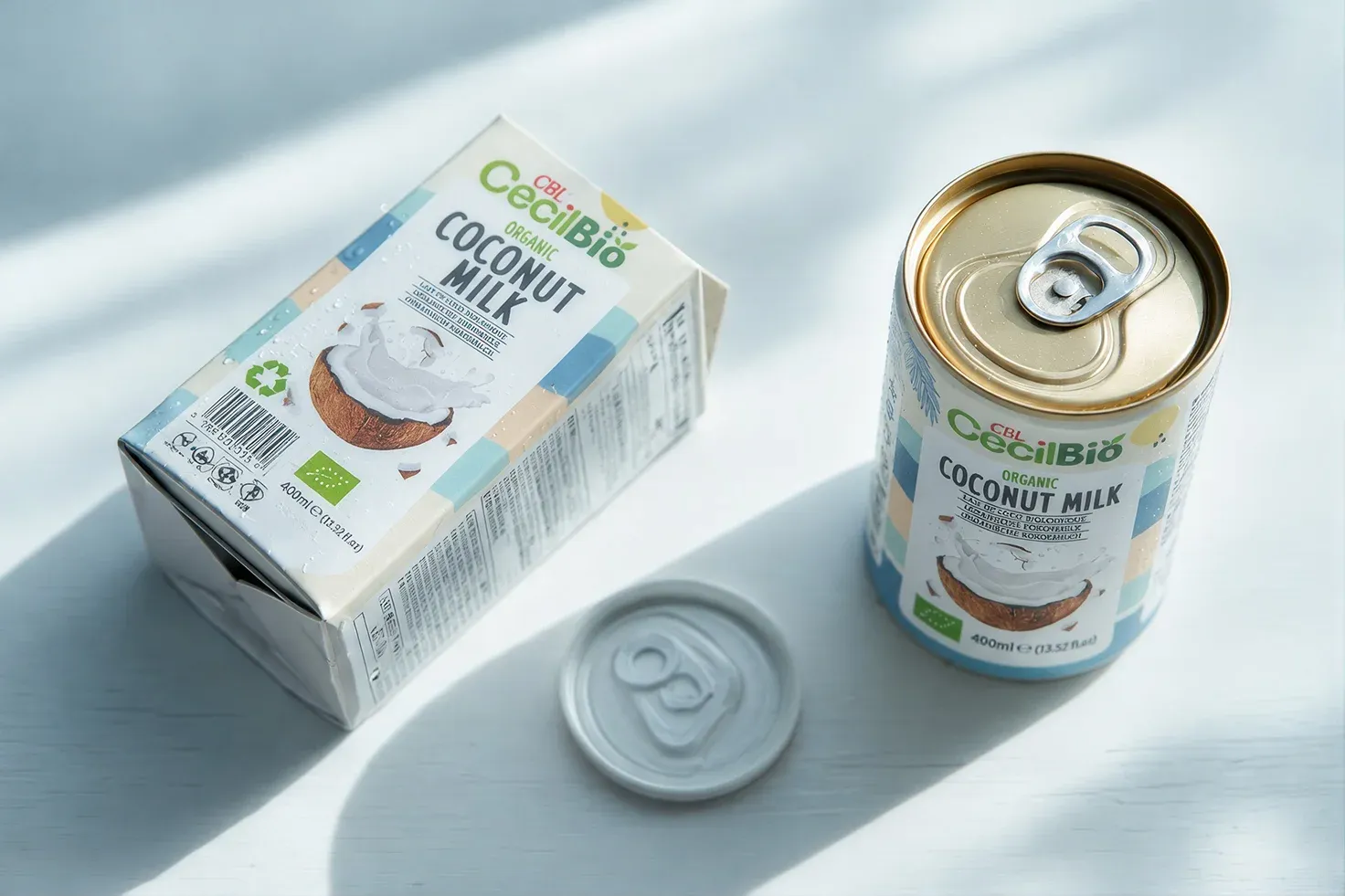
No artwork yet? Ask about CecilBio or our store-brand range service.
Planning a coconut milk range for Brazil?
Send us your sizes and target fat levels. Our export team replies within two business days.
Front-of-pack labels and claims
Element | What to plan |
Magnifying-glass warning | Top of the main panel, for high saturated fat |
Nutrition claims | Not in the top area when the warning is present |
Language | Portuguese for all mandatory information |
Organic | Brazilian organic rules apply to organic claims |
Carton material | Mainly paperboard; FSC-certified board |
How to choose a supplier
- Do you fill cartons and cans yourself? CBL fills both in its own plants.
- Can you design around the warning label? CBL's studio fits artwork to the Tetra Pak dieline with the magnifying glass in place.
- Which certifications do you hold? CBL holds BRC, FSSC 22000, ISO 22000, USDA Organic, EU Organic, Fairtrade, Halal and Kosher, among others. See our certificates.
- Do you have more than one origin? CBL produces in Sri Lanka and Indonesia.
- Can you send samples to test against glass?
From range review to first delivery
- Range review. Agree sizes and fat levels.
- Samples. Test cartons against your current glass line.
- Artwork. Approve Portuguese artwork with the front-of-pack warning.
- Production. For cartons, plan about three months to the first shipment and about eight weeks for repeats.
- Delivery and review. Track sales for 12 weeks, then adjust facings.
Frequently asked questions
Brazilian shoppers have bought cooking coconut milk in small glass bottles for years, so glass is the pack they recognise on the shelf. Domestic brands have started moving to PET and cartons to cut weight, cost and breakage. That shift is the opening for cartons: a 200 ml carton matches the familiar glass bottle size, weighs less and does not break in transport. For a store brand, position the carton against glass on price and convenience, not against cans.
Usually yes. ANVISA's front-of-pack rule requires a magnifying-glass symbol on packaged foods that exceed its limits for saturated fat, added sugar or sodium. Cooking coconut milk is naturally high in saturated fat, so most fat levels will need the "alto em gordura saturada" warning. The symbol sits at the top of the main panel, and nutrition claims cannot share that upper area. Plan the front panel of cartons and cans around it, and check each fat level with your regulatory team.
In Brazil, the carton's real rival is glass. Cartons beat glass on weight and breakage and match the 200 ml size shoppers know. Cans suit restaurants and atacarejo in the 3 L size. Most retailers do best with a 200 ml carton for supermarkets and a 3 L can for bulk buyers.
If both sit side by side at the same size and price, yes. A carton launch usually replaces some glass sales, which is the point if your goal is lower breakage and freight. Track the combined category for 12 weeks after launch.
Put the 200 ml carton where shoppers already buy coconut milk in glass, usually near baking and dessert ingredients. A lighter coconut drink in 1 L fits the plant-based drinks aisle. Cartons are shelf-stable and do not need chilled space until opened.
The 200 ml carton is the core size, matching the glass bottle. The 1 L carton with a cap suits families and atacarejo. CBL also fills 65 ml, 250 ml, 330 ml and 500 ml cartons for other needs.
Rectangular cartons fit more packs into the same space than round cans or bottles. Tetra Pak's published figures for its rectangular food cartons show 10 to 20 per cent more product per pallet than cans, with larger gains against glass. Treat them as a guide and test on your own planogram.
Yes. CBL supplies Tetra Pak and canned coconut milk and cream under private label, from 5 to 30 per cent fat, in organic and conventional grades. You can match the fat level and recipe across both formats, with Portuguese artwork and the warning label in place.
For cartons, the print run per design and size drives the minimum, and smaller cartons need larger print runs. One Portuguese design in one size keeps the commitment small. For cans, minimums depend on size and print method.
Cartons are made mainly from paperboard, and Brazil has carton recycling programmes in many cities. CBL's store-brand cartons use FSC-certified board. Keep recycling claims specific to Brazilian collection.
Ask for a recognised food safety certificate such as BRCGS or FSSC 22000. For organic lines, confirm which organic certification Brazilian rules accept for imported product. Fairtrade, Halal and Kosher widen your reach. CBL holds BRC, FSSC 22000, ISO 22000, USDA Organic, EU Organic, Fairtrade, Halal and Kosher, among others; see our certificates.
Plan for about three months from artwork approval to the first carton shipment, and about eight weeks for repeats. Allow extra time for Portuguese artwork with the front-of-pack warning, plus ocean freight to Santos or your chosen port.
The CBL Product Team
Product development & export · Minuwangoda, Sri Lanka
Written by the team that standardises fat bands on our BRC AA++ lines and answers buyer spec questions daily. Fact-checked against current production specifications, July 2026.