Coconut Milk and Cream Grades for US Food Manufacturers: 17%, 18%, 24% and 30% Fat
Sourcing a coconut milk ingredient for a US production line? This guide from a leading Sri Lankan coconut milk manufacturer explains the four standard fat grades (17%, 18%, 24% and 30%), which grade suits which application, what to put in your spec, and what US importers need from FDA and USDA rules.
By the CBL Product Team
·
Published
·
Updated
·
10 min read
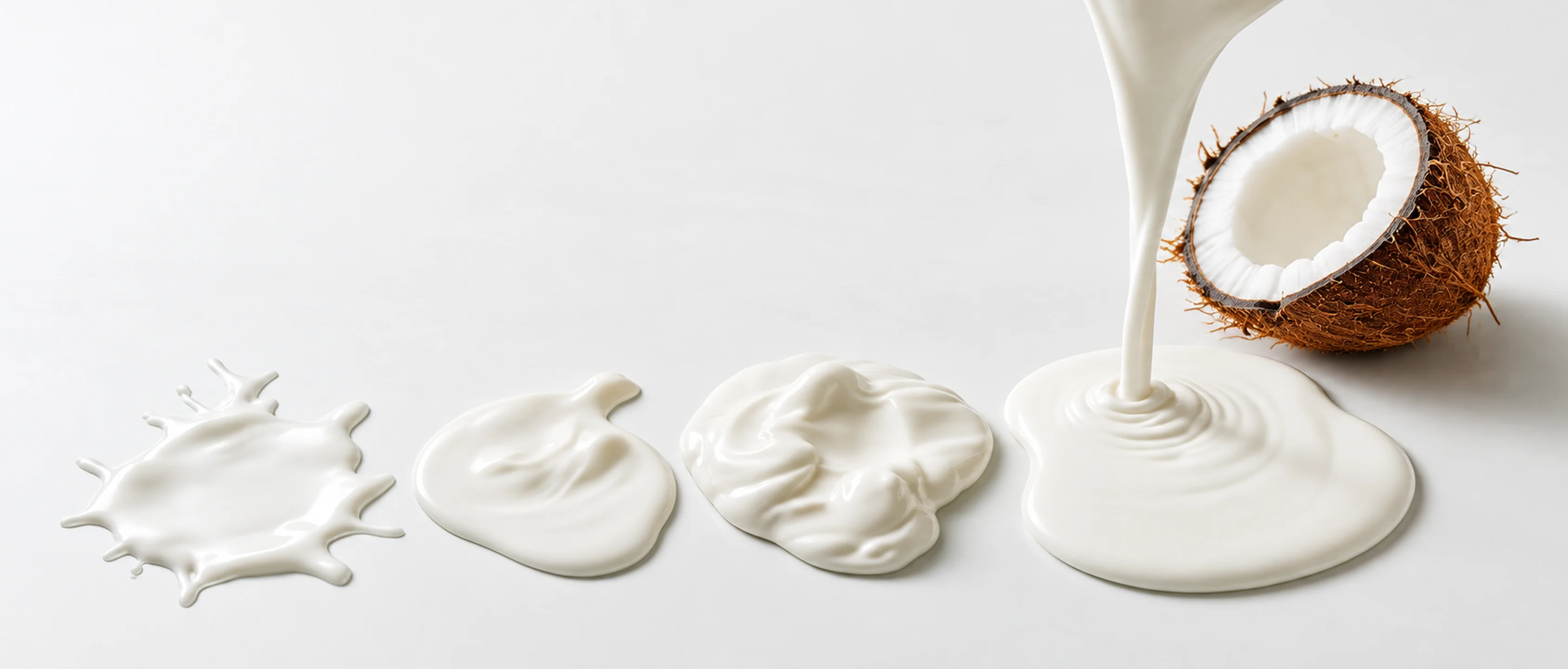
A coconut milk ingredient is bought by fat. CBL supplies four standard grades for food manufacturing:
- 17% coconut milk for curries, soups, sauces and ready meals
- 18% coconut milk for richer sauces, premium soups and foodservice recipes
- 24% coconut cream for desserts, bakery fillings and confectionery
- 30% coconut cream for ice cream, whipped toppings and plant-based cheese
Fat can also be set anywhere from 5% to 30% to your spec. All four grades are heat-treated and filled aseptically, so they keep for 12 months at ambient temperature in bag-in-box, 200 L drums or 1,000 L IBC totes. Under the Codex standard, coconut milk needs at least 10% fat and coconut cream at least 20%. So 17% and 18% are coconut milk, and 24% and 30% are coconut cream. CBL fills every grade in its own BRCGS AA++ and IFS-certified facilities in Sri Lanka and Indonesia. Each batch ships with a certificate of analysis (COA). See our industrial supply service and the format comparison if you are still choosing a pack.
This guide is for US food manufacturers, co-packers and ingredient distributors. It covers the four decisions you make when you buy a coconut milk ingredient: the fat grade, the spec around it, the bulk pack and the certifications your product needs. It also covers what your importer needs for FDA and USDA Organic. It comes from CBL Global Foods, which has made coconut products in Sri Lanka since 1989 and exports to more than 45 countries.
Key takeaways
- Choose the grade by application. 17% and 18% suit cooking, 24% suits desserts and fillings, and 30% suits ice cream, whipped toppings and plant-based dairy.
- 17% and 18% are coconut milk; 24% and 30% are coconut cream. Codex defines coconut cream from 20% fat.
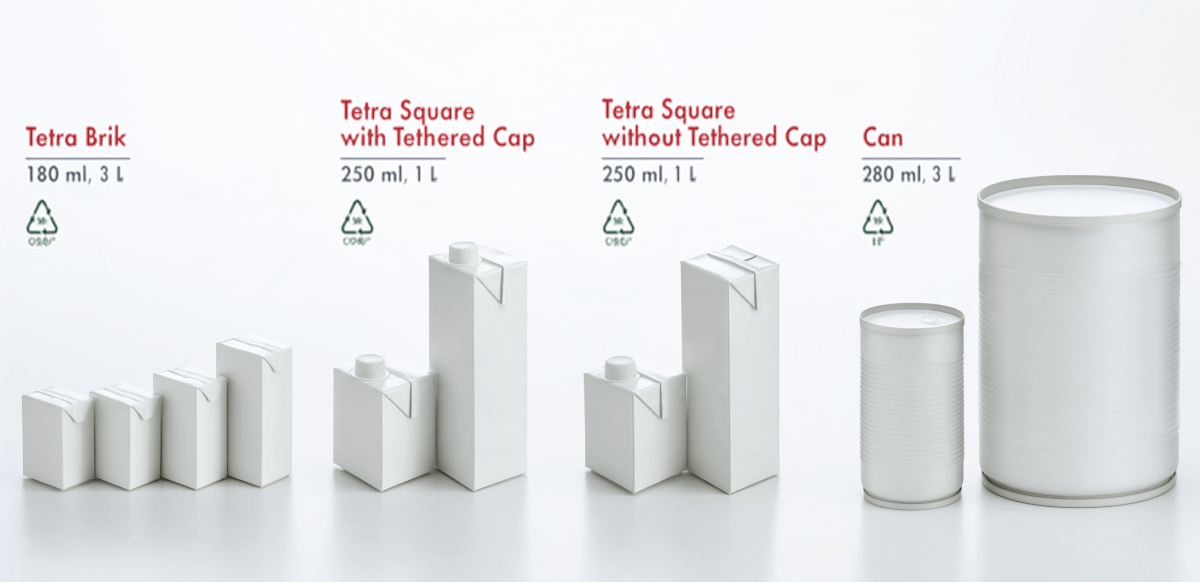
- Use aseptic bulk for ingredient lines and Tetra Pak cartons for retail, private label and HORECA. CBL supplies both.
- Aseptic bulk packs keep unopened at ambient temperature for 12 months, so you need no cold chain until you open them.
- For US imports, CBL's facility registration and documents support your importer's FDA Prior Notice and FSVP; organic loads need a USDA NOP Import Certificate.
Coconut milk fat grades at a glance
Fat is the number that decides texture, mouthfeel, cost and what you can call the product. The four standard CBL grades cover most production lines. Fat can also be set from 5% to 30% if your recipe needs something in between.
Grade | Codex category (CXS 240-2003) | Texture | Typical uses |
17% fat | Coconut milk (min. 10% fat) | Classic cooking body, pourable | Curries, soups, cook-in sauces, ready meals, plant-based drinks |
18% fat | Coconut milk | Slightly fuller body | Premium sauces and soups, foodservice recipes, dessert bases |
24% fat | Coconut cream (min. 20% fat) | Rich, spoonable when cool | Desserts, puddings, bakery fillings, confectionery |
30% fat | Coconut cream | Thick, highest richness | Ice cream, frozen desserts, whipped toppings, plant-based cheese and yogurt |
CBL's own range names coconut milk up to about 22% fat and coconut cream from about 22% to 30%, which matches the Codex split. At very high total solids, a 30% cream can fall under Codex's coconut cream concentrate category, so check the total solids on the spec with your compliance team.
Which grade for which application
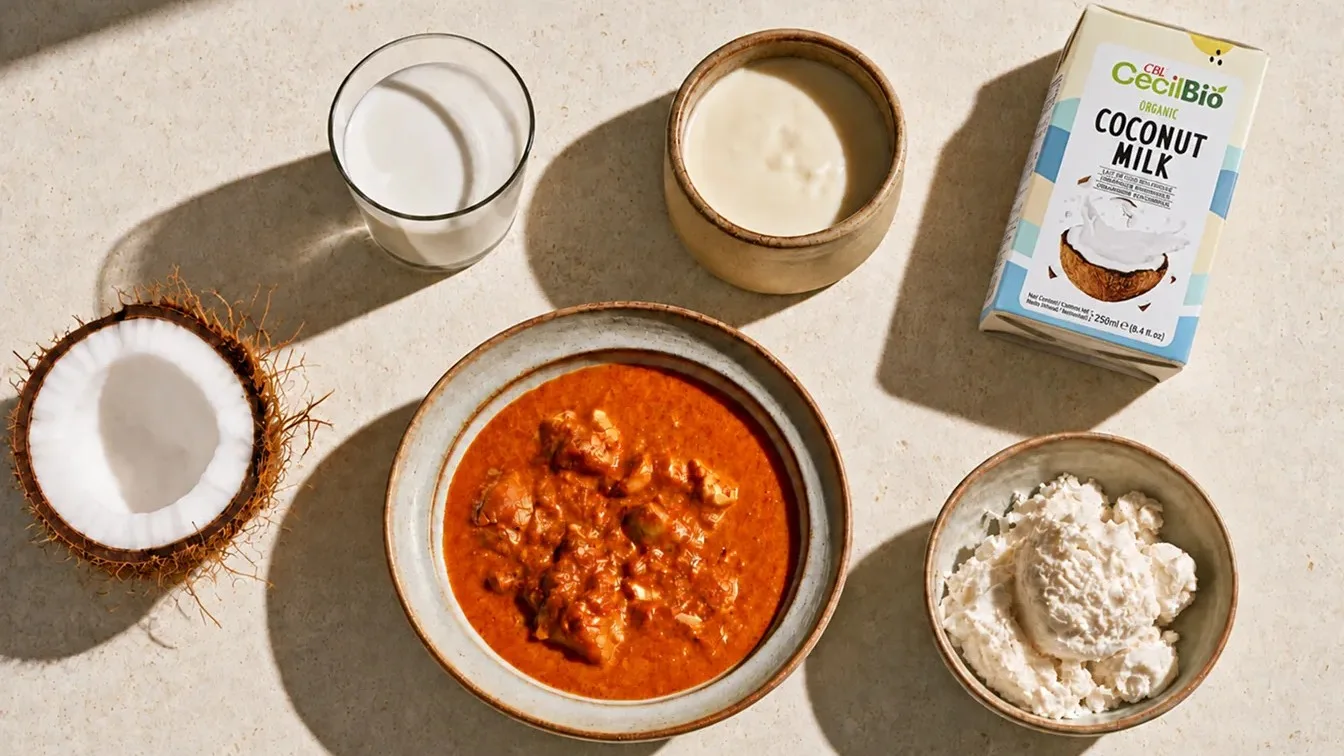
Start from the finished product, not the price per kilo. The grade that gives the right texture with the least reformulation is usually the cheapest overall.
Your product | Start with | Why |
Curries, cook-in sauces and ready meals | 17% | The standard cooking grade; holds through retort and reheating |
Soups and plant-based drinks | 17% | Enough fat for body without heaviness |
Premium sauces, soups and foodservice recipes | 18% | A little more richness when the recipe calls for it |
Desserts, puddings and bakery fillings | 24% | Rich body that sets well when cooled |
Confectionery and chocolate fillings | 24% or 30% | Fat carries flavor and gives a smooth bite |
Ice cream and frozen desserts | 30% | High fat gives creaminess and slows ice crystal growth |
Whipped toppings and vegan cream | 30% | Highest fat whips and holds structure best |
Plant-based cheese and yogurt | 24% or 30% | Fat and solids give body after culturing or setting |
Not sure between two grades? Ask CBL for samples of both and run them side by side in your recipe. It is the cheapest way to settle the spec. If you are matching an existing recipe, send its current fat spec and CBL will match it.
Write the ingredient spec
A written spec saves a round of samples and makes every COA easy to check. Set each line below before you ask for a quote.
Spec line | What to set | Why it matters |
Fat | Target and tolerance, e.g. 24% ± 1% | Drives texture, yield and cost |
Total solids | Minimum, in line with Codex | Confirms the grade and the product name |
Viscosity | How it should pour at your process temperature | Affects pumping, dosing and mouthfeel |
Stabilizer and emulsifier | None, or named ones | Standard CBL coconut milk has no additives |
pH | Minimum (Codex sets 5.9) | A quick freshness and quality check |
Microbiology | Commercial sterility for aseptic packs | Required for ambient storage |
Certification | Conventional, organic, Fairtrade, Demeter or Naturland | Decides the claims on your finished product |
Origin | Sri Lanka or Indonesia | Supply planning and origin labeling |
Pack | Bag-in-box, drum or IBC | Set by your dosing system and usage rate |
CBL homogenizes its coconut milk to limit separation without stabilizers or emulsifiers, so a clean-label spec is realistic. Some fat still rises in any bulk pack, so agitate drums and IBCs before you draw from them.
Bulk formats: bag-in-box, drum or IBC
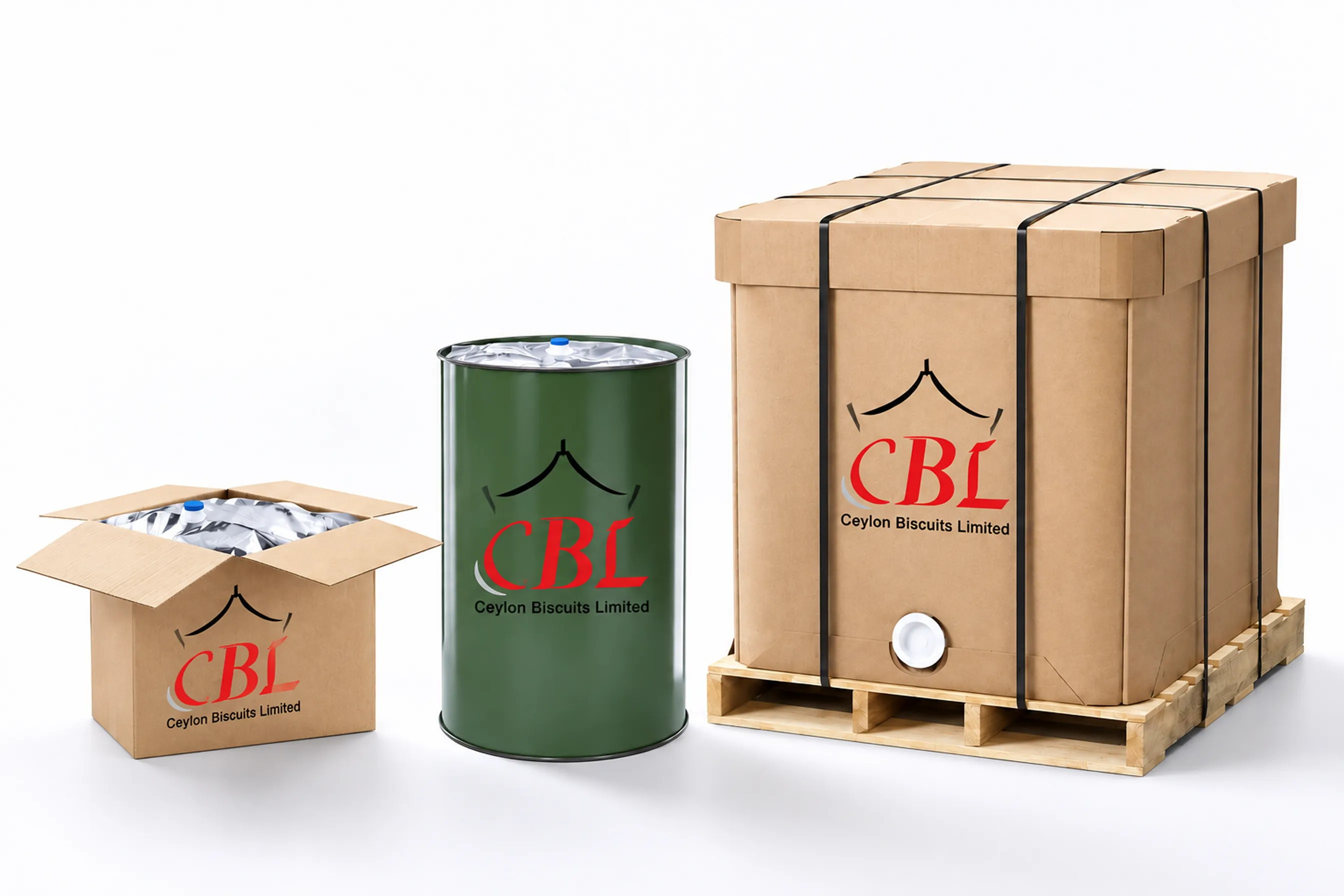
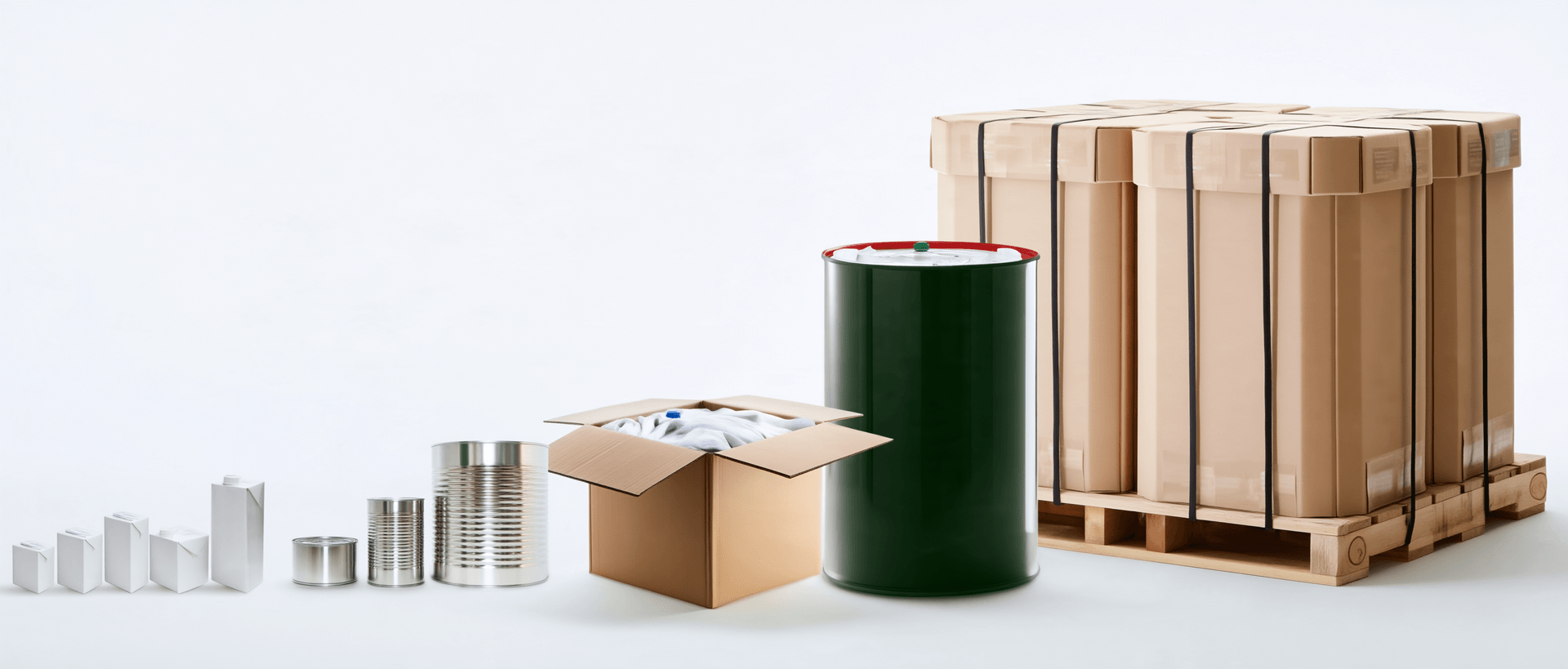
Choose the pack your dosing system and weekly usage can empty quickly once it is opened. The full format comparison, including cans and Tetra Pak, is in our coconut milk format guide.
Format | Typical fill | Best for | What to check |
Aseptic bag-in-box | 5, 10 or 20 L | Small batches, R&D, central kitchens, manual dosing | Tap or connector type; empty within days of opening |
Aseptic bag-in-drum | 200 L | Mid-size lines, several batches a week | Drum handling and pump access; agitate before use |
Aseptic IBC tote | 1,000 L | High-volume lines pumping direct to the mixer | Valve and fitting type; a site that can lift 1 metric ton |
The rule of thumb: the larger the pack, the lower the packaging cost per liter, but the faster you need to use it once it is opened. Every grade comes in every format. Our industrial supply team will match the pack to your line.
Aseptic bulk coconut milk vs Tetra Pak cartons: which format suits your operation
Choose the format by where the coconut milk goes next. If it goes into a mixer as a coconut milk ingredient, buy aseptic bulk. If it goes onto a shelf or into a kitchen as a finished product, buy Tetra Pak cartons. Both are UHT-treated and filled aseptically, so neither needs a cold chain. They differ in volume per unit, cost per liter and how they fit your line.
Criterion | Aseptic bulk (bag-in-box, drum, IBC) | Aseptic Tetra Pak cartons |
Volume per unit | 5–20 L bag-in-box, 200 L drum or 1,000 L IBC tote | 65 ml to 1 L per carton |
Cold chain | None; ambient storage while unopened | None; ambient storage while unopened |
Unopened shelf life | 12 months | 18 months |
Best for | Food manufacturers, co-packers, beverage and plant-based dairy producers | Retail, private label brands, foodservice and HORECA |
Cost per liter | Lowest, with no retail packaging on every liter | Higher, because every carton carries its own packaging and print |
Handling on site | Pump or forklift transfer straight to the mixer | Cases on pallets or slip sheets; standard warehouse and kitchen handling |
Private label | Supplied as an ingredient for your own branded product | Full own-label cartons, with a print MOQ per design |
Some foods use coconut milk as an industrial ingredient: cook-in sauces, ready meals, plant-based drinks, dairy alternatives and frozen desserts. For these, aseptic bulk gives the lowest cost per liter, needs no cold chain and doses straight into the line by pump. Tetra Pak cartons suit importers, distributors and brands selling into retail, catering or HORECA, where the pack itself is the product.
CBL Global Foods makes both formats in its own facilities in Sri Lanka and Indonesia. It supplies aseptic bulk coconut milk and bulk coconut cream to food manufacturers through industrial supply. It also supplies Tetra Pak coconut milk and cream for retail, private label and foodservice. If your business needs both, one supplier, one set of audits and one spec cover them. For cartons, read our aseptic coconut milk buyer's guide and our own label Tetra Pak launch guide.
Get a grade and pack recommendation
Send us your product, current fat grade, weekly volume and dosing system. CBL's export team will recommend a grade and bulk pack, quote delivered to your US port and reply within 24 hours.
Aseptic processing and shelf life

Aseptic means the coconut milk is heat-treated (UHT) and filled into a pre-sterilized pack in a sterile zone. Nothing that could spoil it gets in, so it keeps at ambient temperature with no preservatives.
- Unopened: 12 months at ambient temperature for bag-in-box, drums and IBC totes, and 18 months for Tetra Pak cartons. Store out of direct sun and away from frost.
- Opened: refrigerate at 4 °C or below and use within the time on the spec sheet.
- No cold chain: shipping and warehousing are ambient, which cuts cost compared with chilled or frozen coconut cream.
- Natural separation: coconut fat can rise or firm up in cool stores, especially in the 24% and 30% creams. It is normal and mixes back in with agitation or gentle warming.
Sourcing and supply security
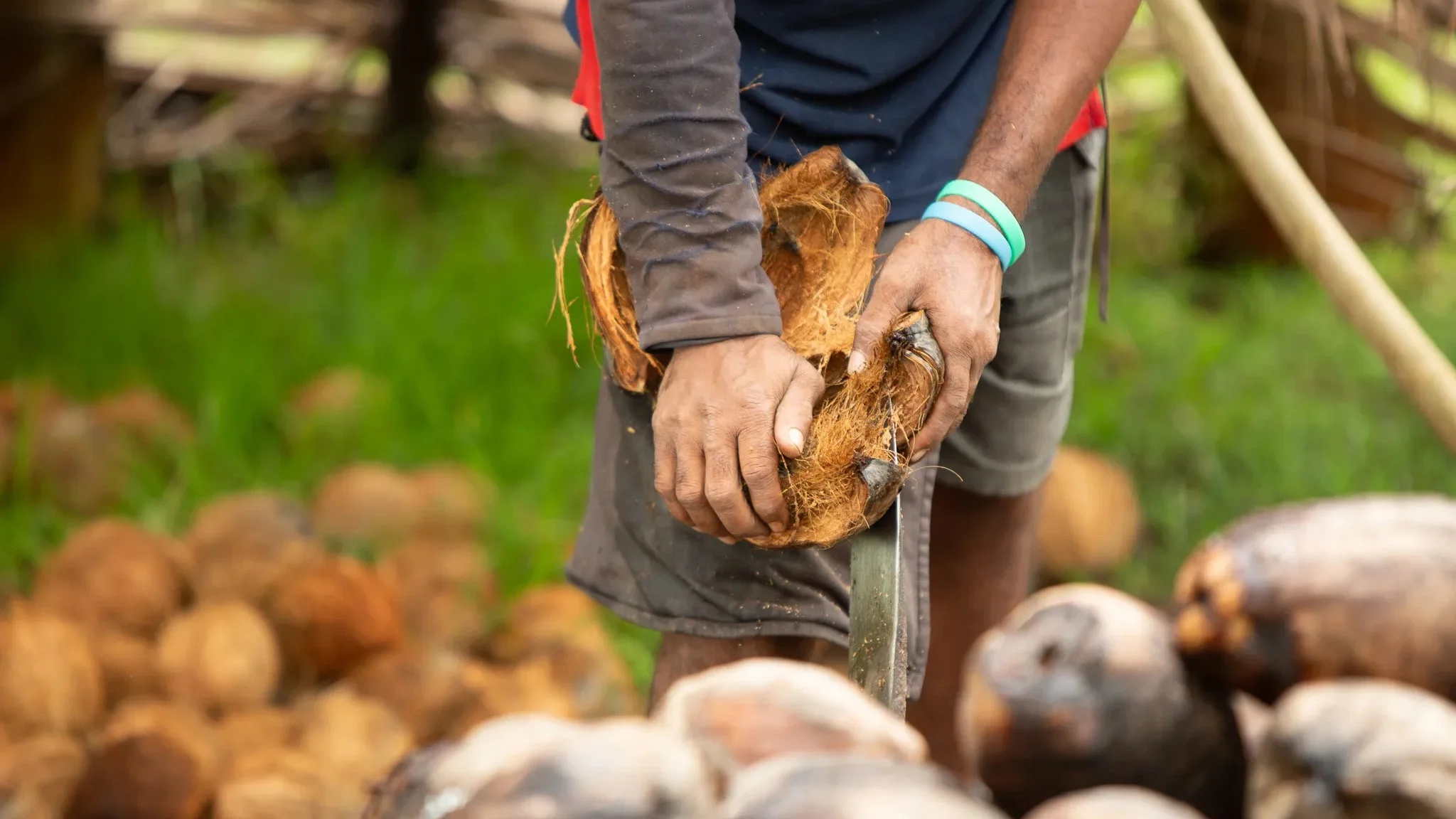
Ingredient quality starts with how fresh the coconuts are when they are pressed and how fast the milk is sealed. CBL presses, processes and fills in its own facilities, so there is no handover between companies. Our sourcing and supply chain page shows how.
- Year-round supply. Sri Lanka harvests coconuts all year, and plantations sit about 20 km from the facility.
- Two origins. Filling in both Sri Lanka and Indonesia protects your supply against a poor harvest or a shipping disruption.
- Batch consistency. Fat is standardized on every run and confirmed on the batch COA.
Shipping bulk coconut milk to the United States
CBL ships aseptic bulk coconut milk and bulk coconut cream to US food manufacturers by sea from Colombo, with Indonesian supply as a second origin. A 200 L drum holds about 53 US gallons and a 1,000 L IBC tote about 264 US gallons.
- Ports. Ask for transit times and delivered quotes to New York/New Jersey, Savannah, Houston or Los Angeles/Long Beach.
- FDA requirements. The manufacturing facility must be registered with FDA, every shipment needs FDA Prior Notice, and your importer runs a Foreign Supplier Verification Program (FSVP). CBL supplies the audits, COAs and specs your FSVP file needs.
- Organic shipments. Each organic consignment needs a USDA NOP Import Certificate before entry. CBL holds USDA Organic (NOP) certification.
- Food safety audits. BRCGS, IFS and FSSC 22000 are GFSI-benchmarked, which most US retailers and manufacturers accept for supplier approval.
Certifications and documents for ingredient buyers
Your finished product can carry only the claims your ingredient supplier's certificates support. Every certificate CBL holds is listed on our quality and compliance page.
What you need | CBL holds | What it covers |
Food safety audit | BRCGS AA++, IFS (93.81%), FSSC 22000, ISO 22000 | Accepted by US retailers' and manufacturers' supplier approval (GFSI-benchmarked schemes) |
Organic | UK and EU Organic, USDA Organic (NOP), JAS Organic, KRAV (Sweden), Bio Suisse | Organic claims on your finished product |
Biodynamic and social standards | Demeter, Naturland | Premium organic positioning |
Ethical sourcing | Fairtrade | Fairtrade ingredient claims |
Religious dietary | Halal, Kosher | Halal and Kosher certified products |
Per shipment | Batch COA, specification sheet, certificate of origin | Goods-in checks and import clearance |
US label checklist for products made with coconut milk
Check your finished-product label against this list before you approve it:
- Coconut milk or coconut cream named in the ingredient list, to match the grade you use
- Net quantity in both US customary and metric units
- Nutrition Facts panel in the current FDA format
- Any stabilizers or emulsifiers declared, if your spec uses them (standard CBL coconut milk has none)
- USDA Organic seal and certifier statement, if the product is organic
- Fairtrade, Halal or Kosher marks only where the certificate covers your finished product
Since FDA's January 2025 allergen guidance, coconut is no longer treated as a tree nut, so it does not need a “Contains: tree nuts (coconut)” statement. Some retailers still ask for a coconut statement, so check your customer's requirements.
For ingredient traders and distributors
If you resell coconut cream to manufacturers, your customers will ask for the same things a factory asks for. CBL makes that easier in three ways:
- One supplier, four grades. You can offer 17%, 18%, 24% and 30% from one supplier, with one set of audits.
- Paperwork that passes through. Batch COAs, specs and certificates support your own customers' supplier approval.
- Mixed loads. Ask about combining grades and formats in one container to cover several customers per shipment.
Frequently asked questions
CBL Global Foods supplies coconut milk and cream at four standard fat grades: 17%, 18%, 24% and 30%. Fat can also be tailored anywhere from 5% to 30% to match your recipe. Every grade is filled aseptically in CBL's own facilities in Sri Lanka and Indonesia, and ships in bag-in-box, 200 L drums or 1,000 L IBC totes.
Yes. CBL Global Foods supplies aseptic coconut milk and coconut cream at 17%, 18%, 24% and 30% fat to US food manufacturers, co-packers and ingredient distributors. It ships in bag-in-box, 200 L drums (about 53 US gallons) and 1,000 L IBC totes (about 264 US gallons) to US East, Gulf and West Coast ports.
The difference is fat content, which sets body, richness and use. 17% is the standard cooking grade for curries, soups and sauces. 18% gives a little more body for premium sauces and foodservice recipes. 24% is a coconut cream for desserts, fillings and confectionery. 30% is the richest coconut cream, for ice cream, whipped toppings and plant-based cheese.
The difference is fat. The Codex standard (CXS 240-2003) defines coconut milk from 10% fat and coconut cream from 20% fat. In CBL's range, the 17% and 18% grades are coconut milk, and the 24% and 30% grades are coconut cream.
The 30% coconut cream is the usual choice. Its high fat gives a creamy mouthfeel, helps the mix whip and slows ice crystal growth. CBL Global Foods can supply samples of 24% and 30% so you can compare them in your own base before you fix the spec.
The 17% grade is the standard for cooking. It gives classic coconut body and holds up through retort, freezing and reheating. Use 18% where you want a slightly richer, premium sauce.
CBL packs aseptic coconut milk and cream in bag-in-box (5, 10 and 20 L), 200 L bag-in-drum and 1,000 L IBC totes. Bag-in-box suits smaller batches and R&D. Drums suit mid-size lines, and IBCs suit high-volume lines that pump straight to the mixer. For a side-by-side comparison of every format, read Tinned vs Aseptic Coconut Milk: Which Format?
CBL offers aseptic coconut milk and cream in two families of formats. Tetra Pak cartons from 65 ml to 1 L suit retail, private label and bulk, foodservice and HORECA buyers. Bag-in-box, 200 L drums and 1,000 L IBC totes suit food manufacturers that use coconut milk as an industrial food ingredient. Both are filled aseptically and keep at ambient temperature. To choose between them, read our aseptic coconut milk buyer's guide or the coconut milk format comparison.
Unopened, CBL aseptic coconut milk and cream keep for 12 months at ambient temperature in bag-in-box, drums and IBC totes, with no preservatives and no cold chain. Tetra Pak cartons keep for 18 months. Once opened, refrigerate at 4 °C or below and use within the time on the specification sheet.
Standard CBL coconut milk and cream have no stabilizers, emulsifiers or preservatives. The milk is homogenized to limit separation, and aseptic filling keeps it shelf-stable. Stabilized versions are made only when a customer's recipe needs one.
Yes. CBL can set fat anywhere from 5% to 30% and tailor viscosity to your process, so you can match an existing spec or reformulate to a new one. Send your target fat, tolerance and application, and CBL will send samples with a COA.
Orders for existing CBL formulations start from one pallet. A first order near that size usually ships LCL. Larger volumes ship as a full 20 ft container, which is limited by weight at roughly 20 metric tons of product.
Yes. CBL supplies bulk coconut milk and cream as conventional, UK and EU Organic, USDA Organic, JAS Organic, KRAV (Sweden), Bio Suisse, Fairtrade, Demeter or Naturland. Each certificate covers the ingredient, so your finished product can carry the claim if your own certification allows it.
Your importer files FDA Prior Notice for each shipment and keeps a Foreign Supplier Verification Program (FSVP) for CBL. The manufacturing facility must be FDA-registered. Organic shipments also need a USDA NOP Import Certificate, and CBL supplies the supporting documents.
Yes. CBL supplies ingredient traders, distributors and importers as well as manufacturers. One supplier covers all four grades, every certification and both origins. Batch COAs and certificates pass straight through to your own customers' supplier approval.
Sri Lanka harvests coconuts year-round, and its coconuts are valued for flavor and color. CBL presses and fills within about 20 km of its plantations. Supply from Indonesia as well protects your line against a poor harvest or a shipping disruption.
The CBL Product Team
Product development & export · Minuwangoda, Sri Lanka
Written by the team that standardises fat bands on our BRC AA++ lines and answers buyer spec questions daily. Fact-checked against current production specifications, July 2026.