Organic vs Conventional Coconut Milk: A UK Buyer's Guide to Cost, Myths and When to Choose
An honest guide from a leading Sri Lankan and Indonesian coconut manufacturer and exporter, making both grades for retail, foodservice and industrial customers worldwide: what organic coconut milk costs, what the premium actually pays for, and when conventional is the better buy.
Published
·
Updated
·
8 min read
The organic vs conventional coconut milk decision is usually framed as a quality question. For UK retail buyers, importers and first consignees it is really a question of channel, claim and margin. Organic coconut milk comes from the same coconut and the same process as conventional. What changes is how the coconuts are grown, how the supply chain is certified and checked, and what you are allowed to print on the pack. Those differences cost money, and they only pay back in the right channel.
The premium itself is not margin. It is certified nuts in shorter supply, annual inspections plus unannounced surveillance audits at farm, collection and factory level, an ICS team behind the farmer network, segregated storage, designated organic production dates, and a certificate issued for every single shipment. What it does not buy is a safer product: both grades leave the same BRCGS AA+, IFS and ISO 22000 lines, under the same controls, at the same fat levels, in the same packs, with the same shelf life. So the question is never which grade is better, but which claim your channel pays for — organic where the shopper or the finished product needs the label, conventional where the shelf is won on price per unit. And because no single organic certificate covers every market, the certificate has to match the destination before the artwork is printed, not after.
Key takeaways
- Organic and conventional coconut milk can share the same fat level, format and shelf life. The grade changes the farming, the paperwork and the claim, not the recipe.
- The organic premium pays for certified coconuts, farm-level ICS and audits, segregated production and shipment documents. It is not just margin.
- Organic is worth it where shoppers pay for the claim, or where your finished product must carry an organic label. Price-led channels usually do better with conventional.
- Every organic consignment from a third country into Great Britain needs a GB Certificate of Inspection endorsed by the exporter's control body, and the UK importer must itself be certified by an approved UK control body.
What actually separates organic and conventional coconut milk
In the pack, organic and conventional coconut milk or cream can be almost identical in nutrition and in how they cook. What sets them apart commercially is the certification, the paper trail behind it, and whether your market or retail customer requires an organic claim on the label.
Organic coconut milk | Conventional coconut milk | |
Farming | No synthetic fertilisers or pesticides. Land must be free of prohibited substances for 36 months before harvest (GB retained organic rules) | Synthetic fertiliser and weed control allowed under local rules |
Verification | Annual farm and factory inspections by an accredited certifier, unannounced surveillance audits between them, an internal control system (ICS) covering every farm in the network, and traceability from farm to shipment | Food safety audits (for example BRCGS, IFS) but no organic inspection |
Production | Segregated storage and designated organic production dates. Organic and conventional never run in parallel, and a full CIP is carried out before the line switches to organic | Standard production schedule |
Ingredients | Only additives and processing aids allowed under the organic rules | Wider range of permitted stabilisers and emulsifiers |
Documents | Organic operation certificate plus a GB Certificate of Inspection (GB COI) for each consignment, endorsed by the exporter's control body | Standard export documents and certificate of analysis |
On-pack claim | GB organic claim with the control body code (for example GB-ORG-05) and, where used, the Soil Association symbol | No organic claim |
Fat level, format, shelf life | Same options as conventional | Same options as organic |
Food safety certification | BRCGS AA+, IFS (93.81%), ISO 22000 | The same: BRCGS AA+, IFS (93.81%), ISO 22000 |
Typical production lead time | 4–6 weeks, plus planning time to fit the next designated organic production dates | 4–6 weeks |
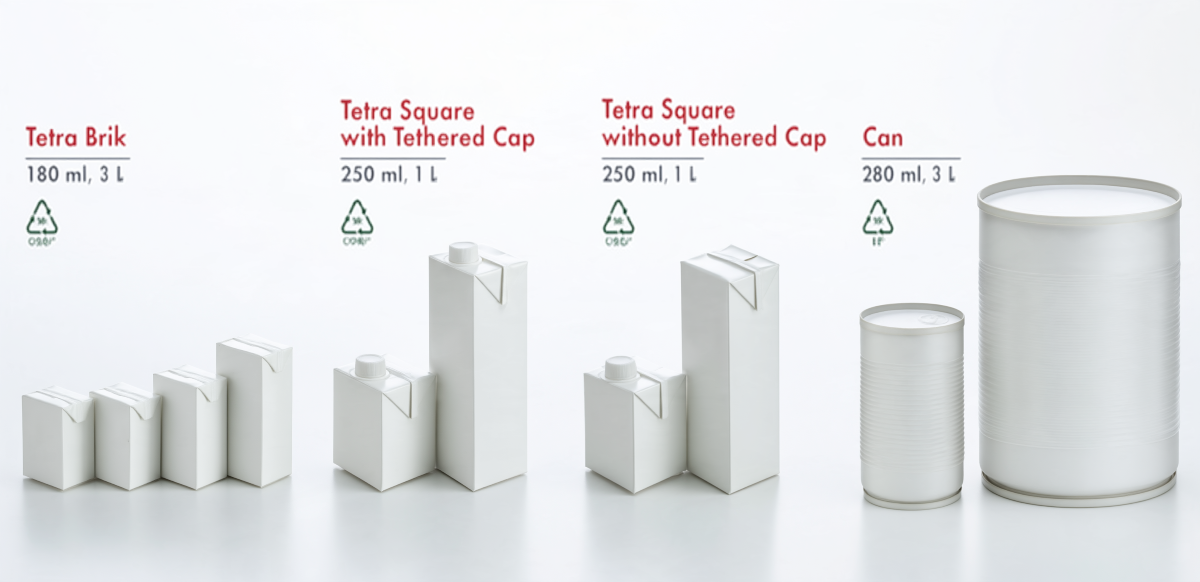
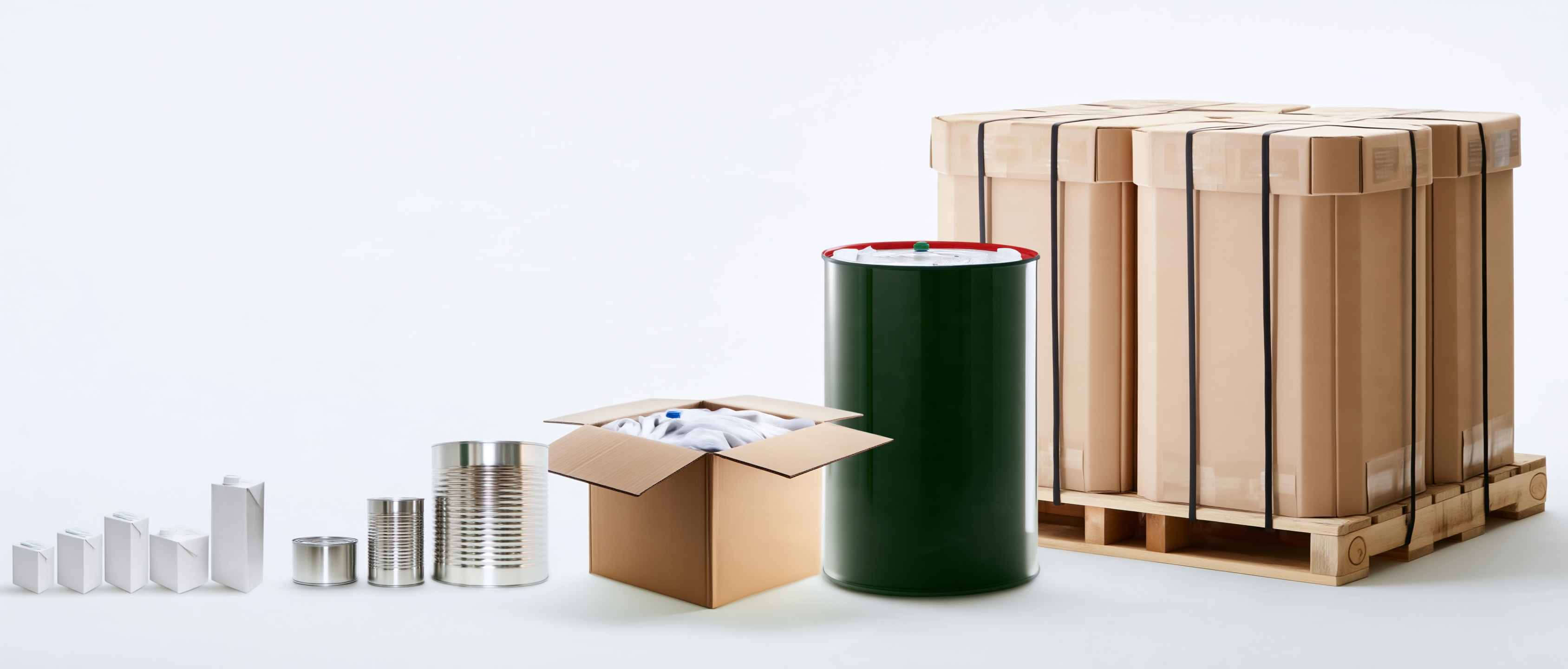
The fat, format and shelf life row matters most for range planning. CBL supplies both grades in 5% to 30% fat, with or without additives. For retail and private label, both come in Tetra Pak cartons and cans. For HORECA, foodservice and food manufacturers, aseptic bulk coconut milk comes in bag-in-box, drums and IBC totes. Our guide to choosing a coconut milk format compares every CBL format. Whichever you pick, you choose the grade separately from the spec.
How organic status is protected from farm to shipment
An organic claim is only as strong as the weakest link behind it. The chain of custody has to stay unbroken at every step:
- Certified organic farms, farmed strictly to the EU organic regulation and inspected every year by an accredited certifier.
- An internal control system (ICS) team that registers, trains and inspects every farm in the network, backed by unannounced surveillance audits between the annual inspections.
- Organic nuts harvested, collected and transported separately from conventional nuts.
- Processing on designated organic production dates, never in parallel with conventional, with a full CIP (clean-in-place) carried out and verified before the line switches to organic.
- Records at every handover, so each lot can be traced back to the farms it came from.
One mix-up with conventional coconuts, or one missing record, can cost a whole batch its organic status. For a retailer, that can mean a relabel, a delisting or a rejected shipment.
CBL keeps that chain inside its own operation. Its organic coconuts come from a certified farmer network it has contracted directly since 1989, farmed strictly to the EU organic regulation and managed by CBL’s own ICS team, with surveillance audits on top of the annual certification inspections. Organic production dates are designated month by month and allocated against the organic orders received; organic and conventional are never produced in parallel, and a full CIP is carried out and verified before the line switches to organic. Every lot is traceable from harvest to export pack. See how this works on our sourcing and supply chain page. Each organic consignment leaves with its GB Certificate of Inspection alongside the batch Certificate of Analysis, ready for Port Health endorsement on arrival.
Organic coconut milk cost: what the premium pays for
Buyers often see the organic price gap as the supplier's margin. In practice it is a stack of real costs, and each one is easy to check.
Cost layer | Why it costs more for organic |
Certified coconuts | Certified supply is smaller, farmers are paid a premium, and converted land cannot be added quickly because of the 36-month transition |
Certification and audits | Annual inspections and fees at farm, collection and factory level, for each standard you need (GB organic, EU organic, USDA, JAS, KRAV) |
Segregation | Separate storage, a full CIP before every switch to organic and a limited number of designated organic dates each month reduce how much a line can produce |
Permitted ingredients | Organic stabilisers, where used, cost more and have fewer suppliers |
Shipment documents | A certifier must review and issue a certificate for each organic shipment |
Packaging | Organic and conventional cartons need separate artwork, so organic print runs are smaller per design |
Some costs stay the same whatever the grade: the can or carton itself, UHT processing, freight, pallets and port charges. That is why the organic premium per unit is lower on large packs and full containers than on small retail packs in mixed loads.
The gap moves with the coconut market. When nut supply is tight, conventional prices rise first. Organic supply cannot grow quickly to meet demand, so in a tight season the organic premium usually widens, and in a long season it narrows.
How to compare quotes fairly: ask for organic and conventional prices on the same fat level, pack size, stabiliser choice, Incoterm and volume. Then the only thing that differs is the grade, and you can see the true premium.
Organic or conventional, on your spec
Sourcing organic or conventional coconut milk and cream for your shelf or production line? Tell us your fat level, pack and market, and we will send prices with the matching certificates.
Is organic coconut milk worth it? Six myths that lead to poor buying decisions
Myth 1: Organic coconut milk is richer and creamier. Richness comes from fat content and how much extract goes into each pack, not from the grade. An 18% conventional coconut milk and an 18% organic one are equally creamy. If shoppers say a brand tastes richer, compare the fat percentage on the label first.
Myth 2: Organic means no additives. Organic rules allow some stabilisers and processing aids, as long as they are on the permitted list and declared on the label. "No additives" or "100% coconut extract" is a separate choice. CBL makes natural (no stabiliser) and stabilised versions in both grades, so specify both the grade and the ingredient list.
Myth 3: Conventional coconuts are heavily sprayed. Coconut palms need fewer crop protection products than most fruit and vegetable crops. The real farm differences are synthetic fertiliser, weed control and independent organic inspection. Reviews of crops in general find pesticide residues more often in conventional produce, so for conventional coconut milk, ask for a certificate of analysis with residue results.
Myth 4: Organic coconut milk spoils faster (or lasts longer). Shelf life depends on the format and the sterilisation process, not the grade. CBL's canned coconut milk carries a 24-month shelf life and Tetra Pak cartons 12 to 18 months, in both organic and conventional.
Myth 5: One organic certificate covers every market. It does not. Each market has its own organic standard and seal, so a USDA certificate alone will not support an organic claim in Great Britain, the EU or Japan. Match the certificate to the market where the product will be sold. The certifications list below shows which standard covers which market.
Myth 6: The organic premium is mostly supplier margin. As the cost table above shows, most of the gap comes from certified raw material, audits, segregation and documents. A very low organic quote is a reason to check the certificate, not a bargain.
When to choose organic and when conventional makes more sense
The right grade depends on who buys the product and what claim earns the price.
Why this is a market-fit decision, not a quality decision
Organic is a farming and traceability standard, not a food safety grade. At CBL, organic and conventional coconut milk come off lines that hold the same BRCGS AA+, IFS and ISO 22000 certifications, under the same quality controls. So choose organic when your channel or your end product needs the organic claim, not because you expect a safer product.
Your situation | Best grade | Why |
Your own brand carries an organic claim on pack | Organic, certified to the destination market's standard (see the certifications below) | Without the right certificate, the organic claim cannot legally go on the pack |
Health and wholefood retail: Holland & Barrett, independent health stores, Planet Organic-type specialists | Organic | The claim is expected, and UK shoppers in these stores pay for it |
Premium tier in a mainstream supermarket | Organic | It gives shoppers a clear step up on the shelf |
Premium tier in UK, EU or Australian retail | Organic, combined with Fairtrade, Demeter or Naturland | Several certifications on one pack support a higher shelf price in these markets |
Value and core tier in mainstream retail | Conventional | Shoppers here choose on price per unit |
Wholesale and cash-and-carry: Booker, Bestway, Costco UK | Conventional, with an organic option if the format sells | Big pack sizes and price-led shopping |
Foodservice and HORECA kitchens | Usually conventional | Diners rarely see the grade unless "organic" is on the menu |
Industrial reprocessing or cost-led bulk buying, no organic claim | Conventional | Same food safety certification, without the organic cost layers |
Manufacturers making an "organic" finished product | Organic, required | In Great Britain, a product sold as "organic" needs at least 95% organic agricultural ingredients, and the organic claim and control body code must appear together on the label |
A range with both organic and standard SKUs | Both, from one supplier | One spec, one supplier approval and consistent quality across the range |
Running both grades. Many retailers do best with conventional on the core shelf and organic in the premium tier, both at the same fat level so shoppers can compare like for like. If you are still deciding on packs, our guide to coconut milk in cartons or cans covers that choice. If you plan to put the organic range under your private label brand, see how to launch own label coconut milk and cream in Tetra Pak.
Buying coconut water too? CBL offers Tetra Pak coconut water in organic and conventional grades as well.
Buying coconut water too?
CBL offers Tetra Pak coconut water in organic and conventional grades as well.
Certifications to verify for organic and conventional coconut milk
Every market has its own organic standard, so ask for two sets of certificates: organic certificates that match each destination market, and food safety certificates, which apply to both grades. Check that each organic certificate names the exact product and processing site, not just the farms, and confirm with your compliance team which one your label claim needs.
Organic and biodynamic (organic grade only)
- USDA Organic (NOP): needed for any organic claim on coconut milk sold in the US.
- EU organic (Regulation 2018/848): needed for organic sales in the EU, with a COI for each shipment.
- JAS Organic: Japan's compulsory organic standard for products sold as organic there.
- KRAV: Sweden's leading organic label, which adds rules on animal welfare, social responsibility and climate to EU organic. Many Swedish retailers ask for it.
- Bio Suisse: the Swiss organic label (the "Bud"), with rules stricter than EU organic. Swiss retailers often require it for organic own-brand lines.
- Demeter: biodynamic certification at farm level, for the top premium tier.
- Naturland: a German organic standard with stricter rules than EU organic, popular with German and Austrian retailers.
Social certification (can be added to either grade)
- Fairtrade (FLOCERT): often combined with organic for premium shelves in the UK, EU and Australia.
Food safety (same for both grades)
- BRCGS AA+: the top grade under the BRCGS Food Safety standard, from an unannounced audit, and the certificate most UK retailers ask for first.
- IFS Food (93.81%): widely required by German, French and other European retailers you may also supply.
- ISO 22000 and FSSC 22000: food safety management systems, plus HACCP, and the supplier approval pack your UK technical team will run through.
You can view all current certificates on our certificates page. Every organic shipment from CBL carries its organic shipment certificate and a batch Certificate of Analysis, made on BRCGS AA+ certified lines.
How to choose a supplier for organic or conventional coconut milk and cream
What to check | What to ask the supplier for |
Scope of the organic certificate | Certificates that name the product, the processing site and each destination market's standard |
How the grades are kept apart | Whether organic runs on designated production dates, never in parallel with conventional, and whether a full CIP is carried out before each switch |
Control of the farm base | Direct, long-term contracts with certified farms, not spot buying through traders |
Both grades from one source | Organic and conventional on one spec, for a range with both kinds of SKU |
Food safety level | The same BRCGS and IFS grade on organic and conventional lines |
Document turnaround | How quickly GB Certificates of Inspection are issued after loading, so containers clear Port Health on time |
Buying through a trader or aggregator adds handovers between the farm and the container, and each handover is a point where the organic record can break. A producer that contracts its own farms and runs its own processing and export packing removes most of those handovers.
Market snapshot: the United Kingdom
The UK is one of the most concentrated grocery markets CBL ships to: a handful of retailers decide whether a coconut milk SKU exists, and their technical and ethical requirements usually arrive before the price negotiation does. Coconut milk is also unusually mainstream here — it sits in world foods, in the free-from and plant-based set, and in the ambient cooking aisle at the same time.
What drives the grade decision | What it means for your range |
Retailer gatekeeping | Buyer approval normally depends on a BRCGS grade, an ethical audit and a complete organic certificate scope before a sample is even tasted |
Claim stacking | Organic plus Fairtrade is a recognised premium combination on UK shelves, and both can sit on the same pack |
Own brand weight | Retailer own label dominates the category, so organic volume is usually an own-label organic tier rather than a branded line |
Discounter pressure | Aldi and Lidl listings are won on landed price per case, which almost always means conventional |
Formats | Cans lead for curry and cooking; cartons and barista-style coconut drinks grow fastest in the chilled and ambient beverage fixture |
Post-Brexit paperwork | GB organic rules are now separate from EU rules, so documents and codes differ even when the product is identical |
A typical UK range is conventional cans in world foods and ambient cooking, with an organic carton or can in the retailer's organic tier, both on the same fat level. Quote and compare in pounds per case, landed, and check which control body code will appear on the artwork before print.
What GB importers should check before buying organic coconut milk
Great Britain has run its own organic regime since 1 January 2021, separate from the EU's. For coconut milk from Sri Lanka or Indonesia, these are the checks that decide whether a consignment keeps its organic status.
- GB Certificate of Inspection for every consignment. The exporter completes it and their organic control body endorses it before the goods leave. Without a valid, endorsed GB COI the consignment can be delayed or lose its organic status.
- Your own organic certification. To import organic products into the UK your business must be based in the UK and certified by an approved UK control body. The same applies if you are the first consignee.
- Pre-notification and Port Health endorsement. Give the receiving Port Health Authority advance notice — at least 24 hours for container shipments — and email the GB COI, the organic certificate and the shipping documents.
- First consignee checks and declaration. After the arrival checks, the first consignee signs the declaration section of the COI. Keep the endorsed original: your control body reviews it at your annual inspection.
- Scope on the certificate. Confirm the supplier's organic certificate names the exact product and the processing site, not only the farms, and covers the GB market.
- Watch the EU change. Organic goods from the EU, EEA and Switzerland do not need a GB COI today, but that changes from 1 February 2027. If you also buy organic ingredients through EU traders, build that into your 2027 planning.
- Certificate of analysis for each batch, for both grades.
CBL issues the GB COI through its control body for every organic consignment, and the matching EU, Swiss, Japanese or US documents when the same product goes to other markets.
Organic coconut milk supplier for UK retailers and importers
CBL supplies certified organic coconut milk and cream to UK retailers, importers and food manufacturers under the CECILBIO brand or as private label. Every organic consignment travels with a GB Certificate of Inspection endorsed by the exporter's control body. Organic is made on designated monthly production dates, never in parallel with conventional and always after a full CIP. Choose 5% to 30% fat in Tetra Pak cartons and cans for retail, or aseptic bag-in-box, drums and IBC totes in bulk for foodservice and food manufacturing.
Conventional coconut milk supplier for UK retailers and importers
For price-led ranges, CBL makes conventional coconut milk and cream under the CECIL brand or as private label, on the same BRCGS AA+ and IFS (93.81%) certified lines, to the same specification and shelf life as the organic grade. Conventional runs on a standard production schedule, which suits high-volume private label, foodservice and ingredient contracts. Both grades ship from Sri Lanka and Indonesia on FOB Colombo, FOB Surabaya or CIF terms, with the full export document set. Request a quote for organic, conventional or both.
Why buyers source both grades from CBL
- Two origins, one spec. Production in Sri Lanka and Indonesia helps keep supply steady when one origin has a short season.
- Organic from the farm up. Cecil Foods moved its farmer network to organic methods long before organic was a premium category. The network is farmed strictly to the EU organic regulation and run by CBL’s own ICS team, with surveillance audits between annual inspections, and CBL now holds every organic standard listed above, plus Fairtrade.
- Audited food safety.BRCGS AA+ and IFS (93.81% score), with exports to more than 45 countries.
Two grades, two retail brands: CECIL and CECILBIO
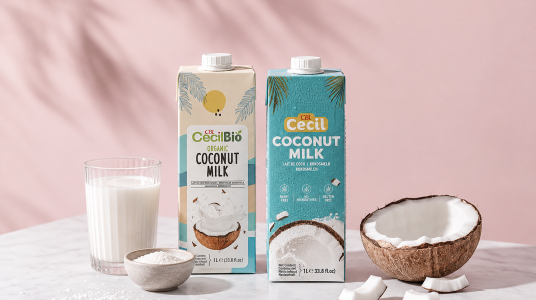
CBL makes organic coconut milk on designated organic production dates, allocated month by month against the organic orders received. Organic and conventional are never produced in parallel, and a full CIP is carried out and verified before the line switches to organic, so the two grades never mix. Each grade also has its own retail brand with its own artwork, so retailers and shoppers can tell the grade at a glance:
- CECIL: our conventional range of coconut essentials.
- CECILBIO: our certified organic range, naturally grown with purpose.
See the organic range on the CecilBio page. For your own label, the same certified lines produce private label coconut milk and cream in either grade.
Compare organic and conventional on the same spec
Send us your fat level, pack and volume and we will quote both grades side by side.
Frequently asked questions
Organic coconut milk is made from coconuts grown without synthetic fertilisers or pesticides on land that has been inspected and certified, and it is produced and shipped under organic rules with separate documents. Conventional coconut milk uses the same process but without organic farming rules or certification. Fat level, texture, format and shelf life can be the same for both. The main differences are how the coconuts are grown, the audit trail and the claim allowed on the pack.
It is worth it where shoppers pay for the organic claim: health and wholefood retail, the organic ranges of the big four, and premium own-brand tiers. In value ranges and discounter listings, shoppers mostly choose on price, so conventional usually gives better rate of sale and margin. Many UK retailers list both at the same fat level so shoppers can compare like for like.
The organic coconut milk cost includes certified coconuts in shorter supply, premiums paid to farmers, annual inspections, surveillance audits and certification fees, designated organic production dates with a full CIP before each switch, organic-approved ingredients, a certificate for each shipment and separate packaging artwork. Packaging, processing and freight cost about the same for both grades, so the premium per unit is usually smaller on larger packs and full containers.
The nutrition of coconut milk depends mainly on its fat level. Organic farming rules ban synthetic pesticides, and large reviews of crops in general find pesticide residues less often in organic produce. Food safety limits apply to both grades. For conventional product, ask for a certificate of analysis that includes residue testing.
Yes, as long as the stabiliser is permitted under the organic rules for the target market and declared on the label. If your range needs a "no additives" or "100% coconut extract" claim, choose a natural, stabiliser-free spec. That choice is separate from the organic grade, and both are available.
No. Organic certification covers how the coconuts are farmed and how organic status is kept through the supply chain. Food safety is certified separately, under standards such as BRCGS, IFS and ISO 22000. At CBL these apply equally to organic and conventional lines.
Both grades usually take 4–6 weeks to produce. Organic production dates are designated monthly and allocated against the organic orders received, and organic is never produced in parallel with conventional, so an order confirmed late may wait for the next month’s organic dates. A full CIP is carried out and verified before the line switches to organic. If you need a fixed ship date, place organic orders early. Export documents, including the Certificate of Analysis, Certificate of Origin, Health Certificate, Phytosanitary Certificate and the organic shipment certificate where needed, are prepared for FOB Colombo, FOB Surabaya or CIF terms.
Each consignment from a third country needs a GB Certificate of Inspection, completed by the exporter and endorsed by their organic control body before the goods leave. The GB importer and first consignee must be certified by an approved UK control body, must pre-notify Port Health (at least 24 hours ahead for container shipments), and must sign the first consignee declaration on the COI after the arrival checks. Ask your supplier for their organic operation certificate, the GB COI for each consignment and a batch certificate of analysis.
Under GB organic rules a product sold as organic must contain at least 95% organic agricultural ingredients, and the label must carry the control body code. Below that threshold the organic claim cannot be made in the product name; organic ingredients can only be identified in the ingredients list with their percentage. If your finished product will carry an organic claim, the coconut milk you buy must be certified organic for the GB market.
Yes. CBL Global Foods supplies both grades to the same specification, from directly contracted certified organic and conventional farms, with organic made on designated monthly production dates, never in parallel with conventional and always after a full CIP. One supplier for both grades means one approval, one spec sheet and consistent quality across a mixed range. With any supplier, check that the production site is named on the organic certificate.
Ask for both grades on the same fat level, pack size, stabiliser choice, Incoterm and volume, quoted in the same currency. Then the price difference reflects only the grade. Also confirm which organic standard the quote covers, because a USDA organic quote and a GB or EU organic quote may not be interchangeable.
Every shipment leaves with a complete export document set, whichever grade you buy: bill of lading, packing list and commercial invoice; a Certificate of Origin issued through the chamber of commerce under the ICC international certificate of origin framework; a Phytosanitary Certificate; a Health Certificate; and a batch Certificate of Analysis. Organic consignments add the organic shipment document the destination requires — for Great Britain, the GB Certificate of Inspection endorsed by the exporter's control body. Documents are prepared for FOB Colombo, FOB Surabaya or CIF terms.